Last updated: November 2026
The best places to eat in Venice are the old bacari (wine bars) for cicchetti, a handful of seafood trattorias in San Polo and Castello, and a few modern bistros that treat lagoon ingredients with care. Eating well here is mostly about avoiding the tourist menus around St Mark’s and the Rialto Bridge, and heading instead for places where Venetians stand at the counter or book a table days ahead.
This guide mixes three kinds of meal: quick bites at the counter, proper sit-down seafood, and one special-occasion table. Each pick explains what to order, how to reach it and when to go. At the end you will find a free printable 3-day Venice food itinerary that links the stops into walkable days.
Quick answer: What are the best places to eat in Venice? For cicchetti, start with Cantina Do Mori, All’Arco and Cantine del Vino già Schiavi. For seafood, book Osteria alle Testiere, Antiche Carampane or Trattoria alla Madonna. Estro Vino e Cucina suits a modern wine-led dinner, Local is the splurge, and Pasticceria Tonolo is the best pastry stop.
Free printable itinerary
Planning a trip? Download our 3-Day Venice Food Itinerary as a PDF: the day-by-day plan plus all 10 places with directions and map links. Print it or keep it on your phone.
Quick comparison: Venice food stops at a glance
| # | Place | Area | Best for | Price tier |
|---|---|---|---|---|
| 1 | Cantina Do Mori | San Polo (Rialto) | Historic cicchetti bar | Budget |
| 2 | All’Arco | San Polo (Rialto) | Market-led cicchetti | Budget |
| 3 | Cantine del Vino già Schiavi | Dorsoduro | Wine and snacks by the canal | Budget |
| 4 | Osteria alle Testiere | Castello | Lagoon seafood, booked ahead | Upper mid-range |
| 5 | Antiche Carampane | San Polo | Classic Venetian seafood | Upper mid-range |
| 6 | Trattoria alla Madonna | San Polo | Old-school family trattoria | Mid-range |
| 7 | Estro Vino e Cucina | Dorsoduro | Modern Venetian, wine list | Mid-range |
| 8 | Local | Castello | Tasting menu splurge | Special occasion |
| 9 | Pasticceria Tonolo | Dorsoduro | Pastries and breakfast | Budget |
| 10 | Al Timon | Cannaregio | Canalside ombre and snacks | Budget |
1. Cantina Do Mori
Cantina Do Mori is the bacaro many visitors are pointed to first, and it is often described as dating back to the fifteenth century. It sits in the lanes behind the Rialto market in San Polo, in a narrow room with copper pots hanging from the ceiling and a long counter stacked with small bites.
The idea is simple: ask for an ombra (a small glass of wine) and choose a few cicchetti from the counter. Typical options include baccalà mantecato (whipped salt cod) on bread, small meatballs, sardines and slices of cured meat. Prices are normally low per piece, so you can build a light meal for a modest sum.
Do Mori is small and fills quickly around lunchtime and early evening. Most people stand, eat and move on after a glass or two, which keeps the room lively. If it is full, the surrounding streets have several other bacari, so you rarely wait long for somewhere good to stand.
Treat it as a first stop on a bacari crawl rather than a full dinner. A sensible plan is two or three cicchetti and one glass here, then walk on to All’Arco or another counter nearby. Wine is often poured by the glass in small measures, which lets you taste a few local whites and reds without overdoing it.
- How to get there: Walk from the Rialto Bridge into San Polo, or take the vaporetto (water bus) to Rialto Mercato and follow the lanes behind the market.
- How long to spend: 30 to 45 minutes for a glass and a few cicchetti.
- Best time to go: Late morning or early evening, when the counter is fully stocked. Opening days and hours change, so check before you go.
- Tip: Eat standing at the counter, and keep the visit short so others can squeeze in.
2. All’Arco
All’Arco is a tiny bacaro near the Rialto market that is loved for its market-led cicchetti and its queue of local regulars. The menu is built around what has just come from the nearby stalls, so toppings change through the season, from seafood and vegetables to cured meats.
The format is different from a sit-down restaurant. You order a small plate or a handful of crostini (small toasts with toppings), pick a glass of wine and eat on your feet or on a small ledge outside. Because there is so little space, the pace is quick and friendly, and a few minutes of patience usually gets you a spot at the front.
Cicchetti here are generous for the size. Look for toasts topped with seafood, baccalà or seasonal vegetables, and ask what is new if you cannot read the Italian labels. Pair them with a house white or a small glass of something fizzy. The aim is to taste three or four different things rather than commit to one big plate.
All’Arco works best as a late-morning or early-afternoon stop, which fits neatly with a visit to the Rialto market. Visitors who treat it as a lunch can mix several cicchetti with a salad or a seafood plate from the counter, then continue exploring San Polo on foot.
Because sources disagree on its current opening days and hours, plan it flexibly. It is a small, popular place, so a short wait is normal rather than a warning sign. If you arrive and it is closed, Do Mori and several other bacari are a short walk away.
- How to get there: Walk from the Rialto Bridge through the market area, or take the vaporetto to Rialto Mercato.
- How long to spend: 30 to 45 minutes.
- Best time to go: Late morning, when the market ingredients are freshest. Check opening days before you go, as listings vary.
- Tip: Ask which cicchetti arrived that day, then pick three and share them.
3. Cantine del Vino già Schiavi
Cantine del Vino già Schiavi is a standing-room bacaro in Dorsoduro, known for its huge range of cicchetti and a long wine list. Locals call it the “Cantinone” or “Bottegon”, and it faces a small canal opposite the Squero di San Trovaso, one of the few boatyards in Venice that still repairs gondolas.
The room is a long counter lined with bottles, and the display of toppings on bread is the main attraction. Guides describe dozens of different cicchetti, from cheese and cured meat to seafood and creamy spreads. Order a few, choose a glass from the board and ask the staff which wine matches your selection.
It is a lively, informal place, and the mix of students, locals and visitors keeps the atmosphere relaxed. In good weather, people carry their glass and plate outside and eat by the water, with the boatyard visible across the canal. That setting makes it one of the best quick stops in the area.
Wine is the second draw. The shop side stocks a wide range of Italian bottles, and you can ask the staff for a local Veneto white or a lighter red by the glass. If you enjoy the wine, bottles are available to take away.
Because it is mainly a standing bar, it suits a light lunch or an early-evening aperitivo rather than a long sit-down meal. Pair it with a walk through Dorsoduro, a quiet area with galleries, small shops and the Zattere waterfront nearby.
- How to get there: Walk about ten minutes from the Accademia vaporetto stop, or from Ca’ Rezzonico, towards the San Trovaso boatyard.
- How long to spend: 30 to 60 minutes.
- Best time to go: Late morning or early evening. Sources list it as closed on Sundays, so check before you go.
- Tip: Take your plate outside to the canal for the best view of the gondola boatyard.
4. Osteria alle Testiere
Osteria alle Testiere is a small Castello restaurant that is a favourite for lagoon seafood, and it is hard to get into without a booking. It has been recognised by the Michelin Guide, and reviews describe a short, daily-changing menu built around what the fishmongers supply.
Expect dishes that lean on the lagoon and Adriatic: pasta with crab, grilled scallops and, in season, the soft-shell crabs known as moeche. The wine list leans towards Italian whites that suit shellfish. The room is tiny, so service is paced in seatings and tables are scarce, which is the main reason to plan ahead.
Reviewers consistently mention the quality of the raw ingredients and the simple, careful cooking. That fits the Venetian approach: little decoration, fresh fish and good oil. If you eat seafood and want one proper sit-down dinner on your trip, this is a strong candidate.
Booking is the practical challenge. Sources say walk-ins are generally not accepted, and the restaurant’s own booking channels are the safest route. Reserve as soon as your dates are fixed, particularly for spring and autumn weekends, and check the current opening days.
Prices sit in the upper mid-range for Venice. It is not a cheap night, but it is a lot more relaxed than a tasting-menu restaurant. Order the set of dishes that the staff recommend and leave the choice of wine to them, as that tends to give the best match.
- How to get there: Walk from San Marco or Rialto towards Castello, near Campo Santa Maria Formosa. A map app helps in the maze of lanes.
- How long to spend: About two hours for dinner or a long lunch.
- Best time to go: Book ahead for dinner, and check opening days, since listings differ.
- Tip: Tell the restaurant about allergies when you book, not when you sit down.
5. Antiche Carampane
Antiche Carampane is a classic San Polo seafood restaurant, hidden in a quiet corner behind the Rialto and listed by the Michelin Guide. Its location is part of the appeal: you have to look for it, which keeps it more local than the busy squares nearby.
The menu centres on Venetian seafood cooking: crudo (raw fish), fried lagoon fish, pasta with shellfish and the dishes of the season. It is the kind of place where the waiter will walk you through what arrived that morning. The cooking is straightforward and well regarded, so it is a good choice for first-time visitors who want a proper seafood meal.
The restaurant looks after its own bookings, according to the Michelin Guide listing, so you need to contact it directly rather than use the Michelin site. Guides suggest booking a few days ahead and a week or more in spring and summer. Phone numbers vary between listings, so confirm the number on an official page.
Opening days are limited. Several listings show lunch and dinner on selected days of the week, so check which days apply to your trip. It tends to be closed on at least one day each week, and a closure can catch visitors out.
Combine it with a wander through San Polo, one of the six traditional districts (sestieri) of Venice. The area has small churches, local shops and a few of the best bacari, which makes it a good base for a food-focused day.
For a first dinner in Venice, it works well alongside the Rialto stops on this list, as you can nibble cicchetti in the afternoon and book Carampane for the evening.
- How to get there: Walk from the Rialto Bridge into San Polo, or take the vaporetto to San Silvestro and follow the signs.
- How long to spend: About two hours.
- Best time to go: Dinner is the main event, with a booking made several days ahead.
- Tip: Contact the restaurant directly and double check the phone number before calling.
6. Trattoria alla Madonna
Trattoria alla Madonna is a large, traditional trattoria near the Rialto that has been run by the same family since the 1950s. It is a good option when you want a straightforward Venetian lunch in a room that feels old-school rather than polished.
The menu covers the classics. Think sarde in saor (sweet and sour sardines with onions), fried seafood, risotto and pasta with lagoon ingredients, and fish cooked simply on the grill. Portions are traditional, so one starter and one main is usually plenty. It is a handy place to try several Venetian staples in one sitting.
The setting is informal, with white tablecloths, waiters in white jackets and a busy dining room. That means it can be loud around lunchtime, which suits groups and families.
The trattoria is an easy choice for a first or last night, since it sits near the Rialto and you can walk back to most areas afterwards. Ask the staff what the fish of the day is, and be ready for the daily specials to change what you originally planned to order.
Booking is wise at weekends and during busy seasons. Walk-in tables do appear, but you may wait. Because of the size of the dining room, groups of four to six are usually easier to place than at the tiny osterie.
It is also a useful place to compare prices: it generally costs less than the small, booking-only seafood rooms, while offering a similar style of food.
- How to get there: Walk from the Rialto Bridge into San Polo, or take the vaporetto to Rialto Mercato.
- How long to spend: About 90 minutes.
- Best time to go: Lunch, when the dining room is busy but easier to book. Check opening days before you go.
- Tip: Ask for the fish of the day and share a starter such as sarde in saor.
7. Estro Vino e Cucina
Estro Vino e Cucina is a modern bistro in Dorsoduro with a long wine list and a Michelin Guide listing for good cooking. It is run by a family of brothers and focuses on wine, with a menu that updates cicchetti and Venetian dishes in a more contemporary style.
The wine list is the main reason to come. Guides describe hundreds of bottles with an emphasis on sustainable and natural producers, so it is a good option if you enjoy wine and want a guide to the Veneto and beyond. The food leans modern, with creative cicchetti, small plates and mains that use local seafood and vegetables.
It suits a relaxed evening rather than a quick bite. Sit at a table, order a few small dishes to share and ask the staff to match wines to each plate. That approach gives you a broad taste of Venetian ingredients without needing a large budget.
For visitors who have already spent a day at the standing bacari, this is a good change of pace. The room is comfortable, the service is informal and the setting in Dorsoduro keeps you away from the busiest crowds.
Booking is sensible for dinner, especially at weekends. Check the current menu on the restaurant’s own channels, because dishes change with the season and the list of wines by the glass rotates.
Dorsoduro is a pleasant neighbourhood to walk before or after dinner, with the Zattere promenade, the Accademia area and small galleries all within reach. Plan a gentle stroll on the way home.
- How to get there: Walk from the Accademia or Ca’ Rezzonico vaporetto stops into Dorsoduro, using a map app for the final streets.
- How long to spend: About two hours.
- Best time to go: Dinner, with a booking. Check current hours and closing days.
- Tip: Ask for wine pairings by the glass so you can taste several without buying bottles.
8. Local
Local is Venice’s special-occasion table: a one-star Michelin restaurant in Castello with a tasting menu built on lagoon ingredients. It is run by chef Salvatore Sodano and Benedetta Fullin, near the Greek quarter, and listings describe seven and nine-course menus.
The cooking is contemporary and creative, with a strong focus on local seafood and produce reimagined in modern ways. It is the right choice for a celebration or one big dinner on a trip. Expect a long, paced meal rather than a quick plate, so allow the whole evening.
Michelin status can change from year to year, so check the current guide before you book if the star matters to you. Listings show it with one star in the 2026 guide, but check the current Michelin listing before you go.
Reservations are essential, and it is worth booking weeks ahead for busy periods. Tasting menus are usually fixed, so tell the restaurant about dietary needs at the time of booking. Wine pairings are normally offered, and they are a good way to explore Italian bottles you might not otherwise choose.
Prices are far higher than at the bacari and trattorias on this list, which is why it works best as a single, planned splurge. If your budget is limited, you can still enjoy the same neighbourhood by eating at one of the nearby cheaper places.
Castello is the largest district of Venice, and the area near the Greek quarter is quiet in the evening. A walk along the waterfront afterwards is an easy way to end a long meal.
- How to get there: Walk from Piazza San Marco or Rialto towards Castello and the Greek quarter, or take the vaporetto to San Zaccaria.
- How long to spend: About three hours.
- Best time to go: Dinner on a day when you have no other plans. Book well ahead.
- Tip: Tell the restaurant about dietary needs when you book, and check the current Michelin status.
9. Pasticceria Tonolo
Pasticceria Tonolo is a Dorsoduro pastry shop that is best known for focaccia veneziana and its busy Carnival season. It is a standard stop for locals who want a coffee and something sweet in the morning.
The counter holds a range of Italian pastries: filled bigné (cream puffs), fruit tarts and croissants. During Carnival, the shop is famous for frittelle, the fried dough balls that are a Venetian seasonal treat. Outside that period, the focaccia veneziana, a soft, sweet yeasted cake that is traditionally eaten around Easter, is a regular favourite.
Eat like a local: order a coffee at the counter, choose a pastry and eat standing. This keeps the cost low, and it is one of the best ways to start a day in Venice. If you want to take something away, ask for a box and they will pack it neatly.
Hours vary by source, though several listings say it is closed on Mondays. Opening on Sunday mornings is common in Italy but shorter than weekdays, so check before you plan a Sunday visit. The shop is small and queues can form on weekends and holidays.
Its location near San Pantalon puts it close to the university area, so the mix of customers includes students and neighbours as well as visitors. Combine it with a walk to the Frari church or through Dorsoduro to see quieter streets.
For a food-focused day, treat Tonolo as breakfast, then continue to the bacari for lunch. It is an easy way to add a sweet local tradition to your trip.
- How to get there: Walk from the Ca’ Rezzonico vaporetto stop or from the Frari area towards Calle San Pantalon.
- How long to spend: 20 to 30 minutes.
- Best time to go: Morning. Several listings say it is closed on Mondays, so check before you go.
- Tip: Try the focaccia veneziana, and ask what is in season if you visit near Carnival.
10. Al Timon
Al Timon is a Cannaregio bacaro where you can sit on a boat moored along the canal with a glass of wine and a plate of cicchetti. It is a lively, informal place on Fondamenta degli Ormesini, and one guide includes it among its favourite cicchetti bars.
Cannaregio is the northern district of Venice, and the canal-side lanes here are far calmer than the Rialto area. Al Timon makes the most of that atmosphere: tables and benches by the water, a crowd of locals and a menu of small plates, cured meats and seafood.
It is best for an early evening aperitivo, when the light on the canal is at its best. Order a few cicchetti to share and a glass of wine, then settle in. Since it is popular, you may need to wait for a spot at peak times, so go a little earlier than the main crowds.
The surrounding streets also have other small bars, so it is easy to continue on foot if there is no space. The Jewish Ghetto, one of the oldest in Europe, is nearby and gives you a cultural stop to combine with a meal.
Details such as opening days and the style of seating can change, so check the venue’s current information before you go. Because of the water-side tables, bad weather can affect service, and the evening is the safest time to plan.
Budget-wise, it sits in the lower range, especially if you treat it as an aperitivo rather than a full dinner. It is a good last stop on a day in Cannaregio.
- How to get there: Walk from the Ferrovia (train station) along the Cannaregio canal, or take the vaporetto to Guglie and walk a few minutes.
- How long to spend: About an hour.
- Best time to go: Early evening for aperitivo. Check opening days before you go.
- Tip: Arrive a little early to claim a canalside spot before the evening crowd.
What to eat in Venice: dishes to look out for
Venetian food is built around the lagoon and the nearby farmland, so the same handful of dishes appear in the best places. Knowing them makes ordering easier.
- Cicchetti: Small bar snacks, usually on bread or served on a skewer, eaten with a glass of wine.
- Ombra: A small glass of wine, traditionally drunk standing at a bacaro.
- Baccalà mantecato: Salt cod whipped with oil into a creamy spread, usually served on bread or polenta.
- Sarde in saor: Sardines marinated with onions, vinegar and often raisins and pine nuts.
- Bigoli in salsa: Thick wholewheat pasta with an onion and anchovy sauce.
- Risi e bisi: A soft rice and pea dish, especially in spring.
- Fegato alla veneziana: Calf’s liver with onions, a traditional main.
- Moeche: Soft-shell crabs from the lagoon, fried and available in a short season.
- Frittelle: Fried doughnuts eaten around Carnival.
- Spritz: The local aperitivo, made with prosecco and a bitter liqueur.
Booking, tipping and opening hours in Venice
Plan seafood dinners a few days ahead and tasting menus weeks ahead. Bacari rarely take bookings, so go at off-peak hours. Many small places in Venice close on one day each week and some close between lunch and dinner, so check each venue’s current hours.
Tipping is not expected in the same way as in some countries. A small service charge or cover charge (coperto) often appears on the bill, so check the menu before you order. Rounding up a little for very good service is welcome but optional.
Tap water is safe to drink, and most places will offer bottled water by default, so say if you prefer tap. Eating times are later than in northern Europe: lunch is usually from midday to early afternoon, and dinner starts in the evening. For local transport and ticket details, see the Venezia Unica official site.
Suggested food plans for 1, 2 or 3 days in Venice
Venice is compact, but the lanes are slow to walk, so group your meals by district. Use the vaporetto only to save time between areas.
Day 1: Rialto and San Polo cicchetti
Start at the Rialto market to see the ingredients. Late morning, have a few cicchetti and a glass of wine at Cantina Do Mori, then walk to All’Arco for a second round. Spend the afternoon exploring San Polo on foot. In the evening, book Antiche Carampane or Trattoria alla Madonna for a seafood dinner, both within a short walk of the Rialto.
Day 2: Dorsoduro and Castello
Begin with coffee and a pastry at Pasticceria Tonolo, then walk through Dorsoduro to Cantine del Vino già Schiavi for a light lunch by the canal. Spend the afternoon at the Zattere waterfront or the galleries. For dinner, choose between Estro Vino e Cucina in Dorsoduro, or take the vaporetto towards Castello for Osteria alle Testiere. Book either well in advance.
Day 3: Cannaregio and a splurge
Spend the morning in Cannaregio and the Jewish Ghetto, then make Al Timon your early-evening aperitivo stop. Reserve Local for dinner if you want a tasting menu and have booked ahead. If not, return to a favourite bacaro for a final round of cicchetti. Allow time to walk back along the canals.
Where to stay in Venice for food lovers
- San Polo and Santa Croce: Closest to the Rialto market and its bacari, and a short walk to several of the restaurants above.
- Dorsoduro: Quieter, with galleries, the Zattere and several good wine bars, including Schiavi and Estro.
- Cannaregio: Residential and good value, with local bars and easy access to the train station.
- Castello: The largest district, quiet in the evening, and handy for Osteria alle Testiere and Local.
Getting around Venice
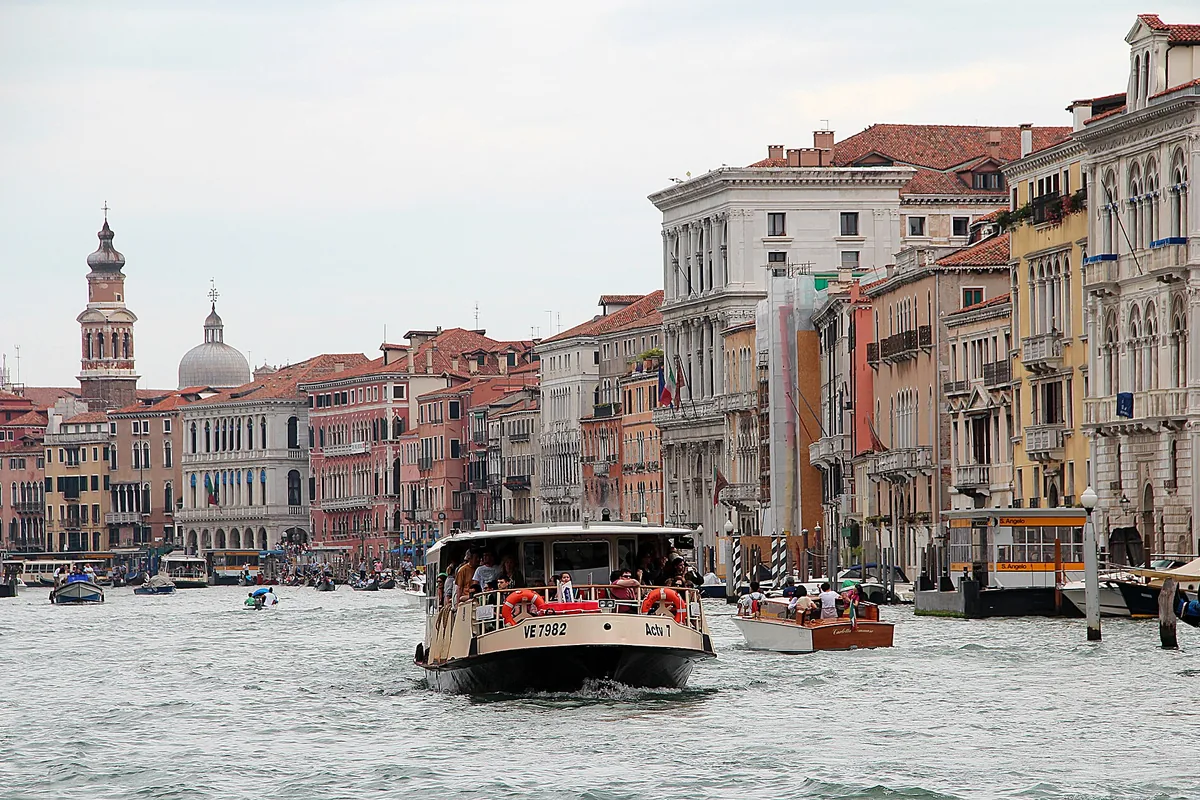
Most of the places in this guide are within a short walk of each other, but the lanes are narrow and bridges have steps. Use a map app, and expect a ten-minute walk to take longer than it looks on the screen. The vaporetto (water bus) runs along the Grand Canal and around the city, and you can buy tickets through Venezia Unica. Check the current fares and pass options there, as prices change. Wear comfortable shoes, travel light and avoid pulling a large suitcase over bridges.
Budget guidance for eating in Venice
- Cheap eats: Cicchetti and a glass of wine at a bacaro, a pastry and coffee at the counter, or a slice of pizza from a bakery. Standing at the bar is usually cheaper than sitting down.
- Mid-range: A trattoria lunch or a bistro dinner such as Trattoria alla Madonna or Estro Vino e Cucina. Order a starter and a main, and share a bottle of local wine.
- Special occasion: A booked seafood restaurant such as Osteria alle Testiere or Antiche Carampane, or a tasting menu at Local.
Money-saving tips: eat your main meal at lunch when menus are often cheaper, avoid tables right on the Grand Canal or St Mark’s Square, and check for a cover charge before you sit.
Frequently Asked Questions
What is the best area to eat in Venice?
San Polo, around the Rialto market, has the best concentration of bacari and traditional restaurants. Dorsoduro and Cannaregio are quieter alternatives with excellent local bars and fewer crowds.
What is a bacaro in Venice?
A bacaro is a traditional Venetian wine bar that serves cicchetti, small snacks, at the counter. Most are casual and many are standing room only, which keeps prices low.
Do I need to book restaurants in Venice?
Yes for the small seafood restaurants and any tasting menu, often several days or weeks ahead. Bacari do not usually take bookings, so just turn up and be flexible about your time.
How much does a meal in Venice cost?
It varies widely. A few cicchetti and a glass of wine at a bacaro is the cheapest option, a trattoria meal is mid-range and a tasting menu is a big splurge. Check menus and any cover charge before you sit down.
What should I eat in Venice?
Try cicchetti, baccalà mantecato, sarde in saor and fresh lagoon seafood. If you visit around Carnival, add frittelle, and in spring look out for risi e bisi.
How do I avoid tourist traps in Venice?
Avoid restaurants with photo menus and touts near St Mark’s Square and the Rialto Bridge. Walk a few streets away, look for places full of locals and check recent reviews and official guides before you book.
Discover more of Venice
Once your meals are planned, make time for the city itself, which UNESCO lists as a World Heritage Site together with its lagoon, and for the wider region through the official Veneto tourism site. For official booking details on one of the restaurants above, see the Michelin Guide listing for Antiche Carampane, and use Venezia Unica for transport tickets.
Italy rewards a food-led trip well beyond the lagoon. Before you book your next stop, read our guide to the best places to eat in Rome for trattorias and Roman classics, or our picks for where to eat in Florence if you are heading on by train. If you like to wander off the main trail, our guide to the best hidden gems in Italy suggests quieter places to add to the route, and our day trips from Bologna shows how easily Venice fits into an Emilia-Romagna food break.
Featured image: Photo by Martin Falbisoner, CC BY-SA 4.0, cropped, via Wikimedia Commons