Last updated: November 2026
The best day trips from Venice are the lagoon islands of Burano, Murano and Torcello by water bus, and the mainland cities of Padua, Verona, Treviso and Vicenza by train. Venice sits on a rail line that links most of the Veneto, so many of these trips are short, cheap and easy to do without a tour.
The list below covers three kinds of outing: islands you can reach by vaporetto (water bus), historic cities on regular train routes, and a few longer or more specialist days for wine and seafood lovers. Each pick explains how to get there, how long to allow and what to prioritise. At the end you will find a free printable 3-day Venice day trips itinerary that groups the stops into realistic days.
Quick answer: What are the best day trips from Venice? For an easy first trip, take the vaporetto to Burano and Torcello. For a big-hitter city, go to Padua for Giotto’s frescoes or Verona for its Roman arena. Treviso and Vicenza are relaxed, less crowded alternatives, and the Prosecco Hills suit a slower wine-focused day.
Free printable itinerary
Planning a trip? Download our 3-Day Venice Day Trips Itinerary as a PDF: the day-by-day plan plus all 10 places with directions and map links. Print it or keep it on your phone.
Quick comparison: day trips from Venice at a glance
| # | Day trip | Best for | Getting there | Typical time each way |
|---|---|---|---|---|
| 1 | Burano | Colourful houses and lace | Vaporetto | Under an hour |
| 2 | Murano | Glassmaking | Vaporetto | Short boat ride |
| 3 | Torcello | Byzantine mosaics and quiet | Vaporetto | Under an hour |
| 4 | Padua | Giotto frescoes, big sights | Train | Under an hour |
| 5 | Verona | Roman arena, romance | Train | About 1 to 1.5 hours |
| 6 | Treviso | Canals, food, easy pace | Train | About 30 minutes |
| 7 | Vicenza | Palladian architecture | Train | About 45 minutes to an hour |
| 8 | Prosecco Hills | Wine, vineyard scenery | Train plus bus or tour | Over an hour |
| 9 | Chioggia | Fishing town, seafood | Bus or boat | About an hour or more |
| 10 | Trieste | Grand squares, cafes, sea | Train | About 2 hours |
1. Burano
Burano is the lagoon island known for its brightly painted houses and its lace-making tradition, and it is the most photographed day trip from Venice. Streets of pink, blue, yellow and green homes line the narrow canals, and the leaning bell tower of the church of San Martino is a landmark.
Take the vaporetto from Fondamente Nove, the boat stop on the northern edge of Venice. Line 12 runs to Burano via Murano, with journey times quoted at around 35 to 45 minutes depending on the source, so check the timetable. Boats are frequent, which makes this easy to do without a plan.
Once you arrive, wander at random. The streets around Via Galuppi are the busiest, so walk a few lanes away from the main drag to find quieter corners. There are lace shops, small bakeries selling local biscuits called bussolà and simple seafood restaurants. The lace museum (Museo del Merletto) explains the craft, and opening times vary by season, so check before you go.
Be aware that many of the “lace” items sold in souvenir shops are imported. If you want the real thing, look for small workshops and ask directly about hand-made pieces. Prices will be higher, but you are paying for hours of work.
Burano pairs well with Torcello, which is a short hop by water, and with Murano on the way back. Together they make a full day on the lagoon.
- How to get there: Vaporetto line 12 from Fondamente Nove. Buy tickets through Venezia Unica.
- How long to spend: 2 to 3 hours on the island.
- Best time to go: Early morning, before the day-trip crowds and tours arrive.
- Tip: Walk away from the main street to find quieter canals and better photographs.
2. Murano
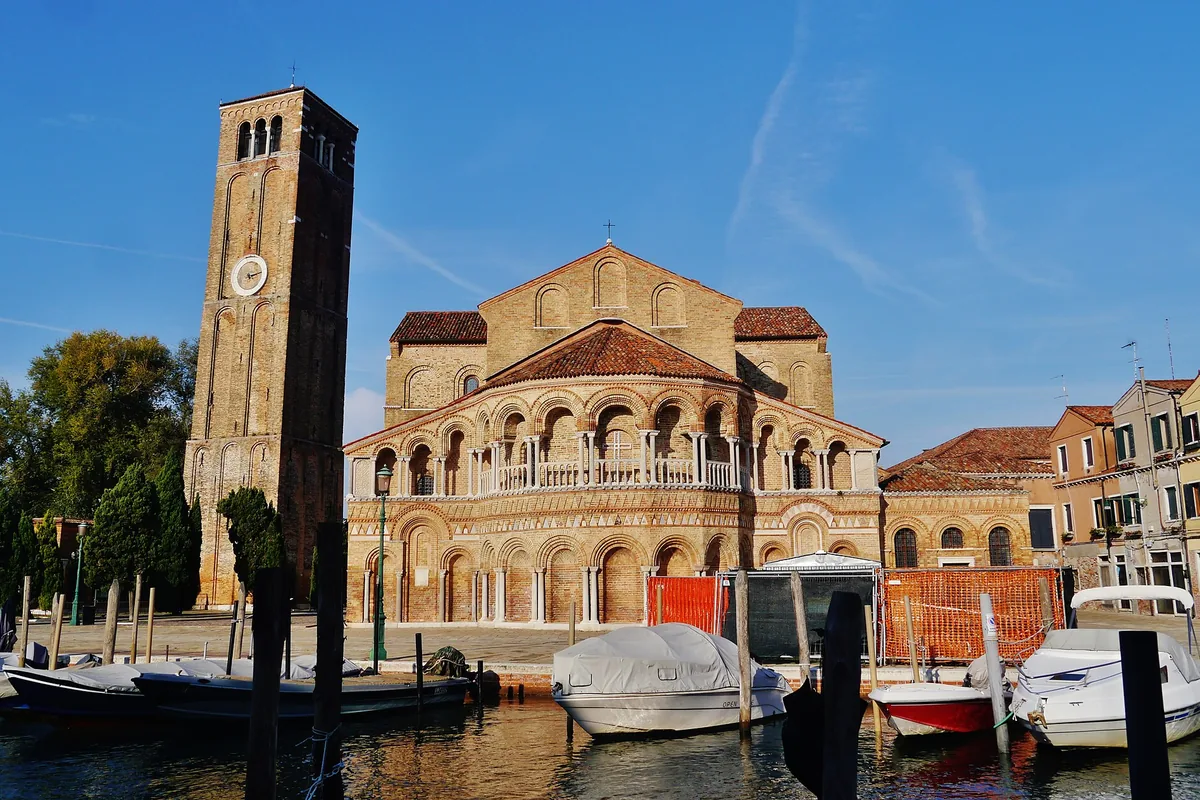
Murano is the island of Venetian glass, and it is the quickest lagoon trip from the main city. Glassmakers have worked here for centuries, and many workshops still use traditional furnaces.
From Fondamente Nove, the vaporetto reaches Murano in roughly ten to fifteen minutes, depending on the stop. Several stops serve the island, so Murano Faro or Murano Colonna are the most common for the glass shops and the main canal.
The best way to see how glass is made is to watch a demonstration at a furnace. Many workshops offer a short show, and some are free if you visit the shop afterwards. Be wary of touts who offer free boat rides: that route often leads to a high-pressure shop. Instead, take the public vaporetto and choose where to go yourself.
The Glass Museum (Museo del Vetro) shows the history of the craft, from ancient pieces to modern designs, and is worth an hour if you like objects and design. The church of Santi Maria e Donato is also notable for its Veneto-Byzantine apse and floor mosaics, and it is often quieter than the shops.
If you want to buy something, look for marks and certificates that show a piece is made on Murano, and ask the seller where it was produced. Small items such as beads and glasses are easier to carry than large sculptures.
Murano works well as a half-day trip, or as a first stop on the way to Burano and Torcello.
- How to get there: Vaporetto from Fondamente Nove or the Rialto area. Check the current line numbers and timetable on the official transport site.
- How long to spend: Half a day.
- Best time to go: Morning, when workshops are active. Demonstration hours vary, so check before you go.
- Tip: Skip the free boat offers and use the public vaporetto.
3. Torcello
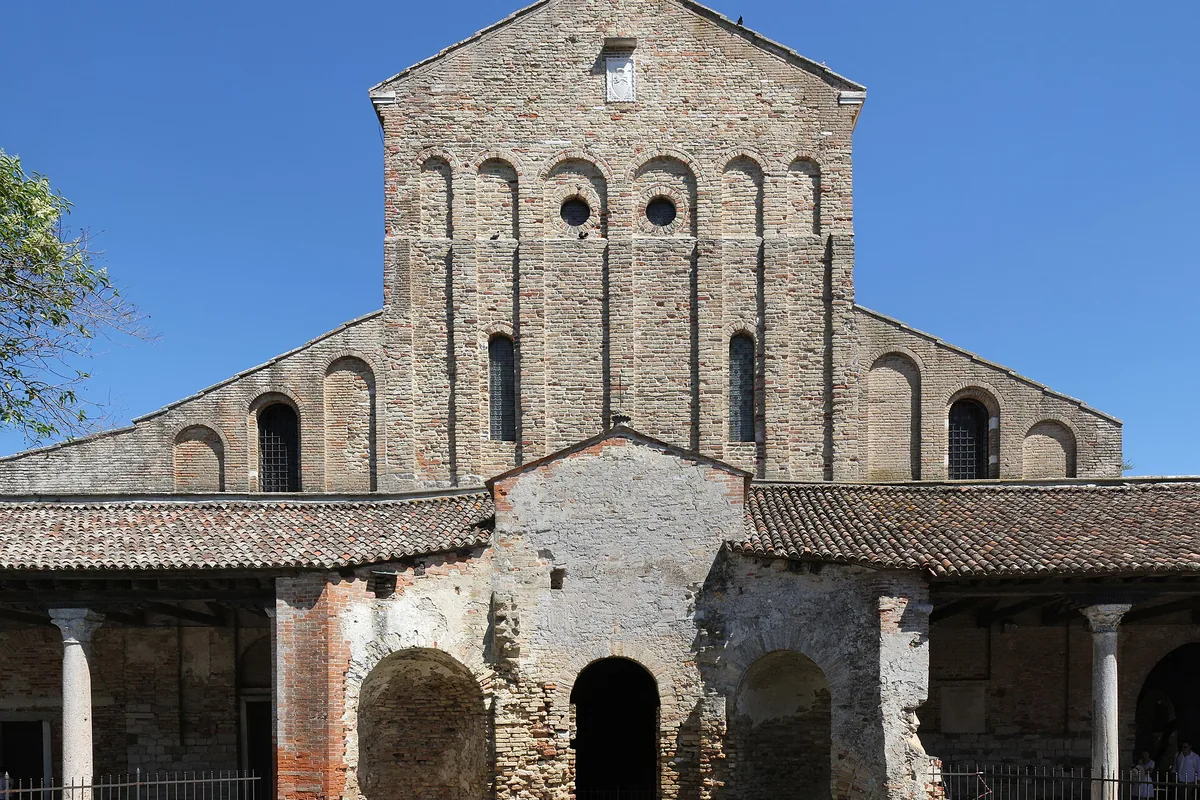
Torcello is a quiet, nearly empty island that was once one of the most important settlements in the lagoon. Today it has little more than a few houses, a couple of restaurants and the cathedral of Santa Maria Assunta, famous for its Byzantine mosaics.
Reach it by vaporetto from Fondamente Nove, either directly on some services or by changing at Burano. Allow about 45 minutes from Fondamente Nove, with a short five-minute hop between Burano and Torcello on line 9, so check the current timetable and connections.
The mosaics inside the cathedral are the highlight, including a large Last Judgement scene on the west wall. Entry is ticketed, and you can often climb the bell tower for views over the lagoon. Opening hours and combined tickets change, so check official information first.
Outside, a short path leads from the landing stage past the old Ponte del Diavolo, a simple bridge without parapets, and to a stone seat known as Attila’s Throne. It is more about atmosphere than big sights, which is why the island feels so different from crowded Venice.
Torcello also has a few restaurants, and a long lunch here is a good way to slow down. Booking is wise at weekends and in summer, since there are only a few places to eat.
Treat it as the quiet counterpart to Burano. If you visit both, go to Torcello first for calm, then finish in Burano when you want colour and cafes.
- How to get there: Vaporetto from Fondamente Nove, via Burano if needed.
- How long to spend: 1.5 to 2 hours.
- Best time to go: Morning or early afternoon, so you do not miss the last boats.
- Tip: Check the last return boats before you settle into a long lunch.
4. Padua
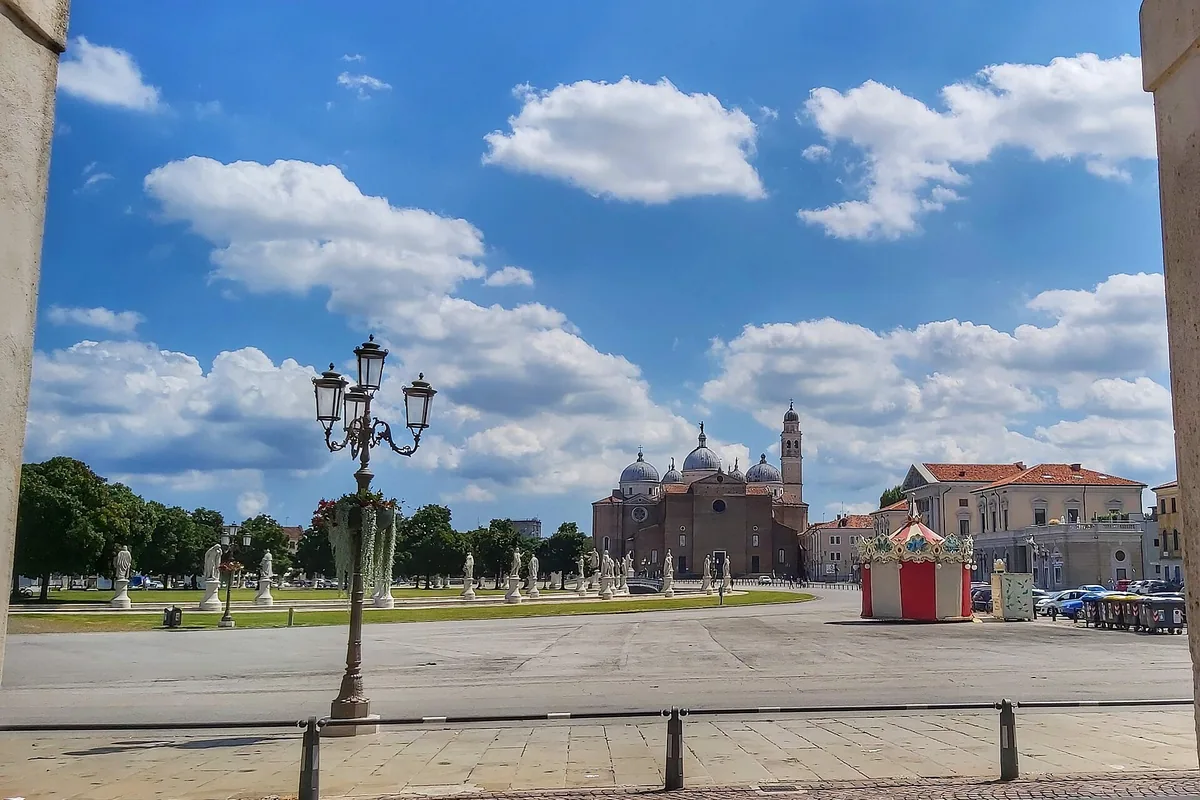
Padua is the best city day trip from Venice for art lovers, thanks to Giotto’s frescoes in the Scrovegni Chapel. It is also a lively university town, with arcaded streets, markets and a famous basilica.
Regional trains run from Venezia Santa Lucia, with journey times of around 30 minutes on average and up to 50 minutes on slower services. Trains are frequent, so you can usually travel without booking ahead. Compare services on Trenitalia, and consider the regional trains for the best value.
The Scrovegni Chapel needs a timed ticket, so book on the official Scrovegni Chapel site before you travel. Entry is managed in short slots, and the visit is brief, so it works best as a fixed point in your day. The frescoes are part of a UNESCO World Heritage listing for Padua’s fourteenth-century fresco cycles.
Beyond the chapel, visit the Basilica of Saint Anthony, a pilgrimage site with a distinctive roof of domes. The Prato della Valle, one of the largest squares in Europe, is a short walk away, and the markets around Piazza delle Erbe and Piazza della Frutta are good for lunch.
The botanical garden, one of the oldest university gardens in the world, is another option if you prefer something quieter. Opening times and ticket rules vary, so check before you go.
Padua works well as a half-day or full-day trip, and it pairs easily with Vicenza or Treviso on a different day.
- How to get there: Regional train from Venezia Santa Lucia to Padova.
- How long to spend: A full day, or 5 to 6 hours.
- Best time to go: Weekday mornings, with your Scrovegni slot booked in advance.
- Tip: Book the chapel first, then plan the rest of your day around the time slot.
5. Verona
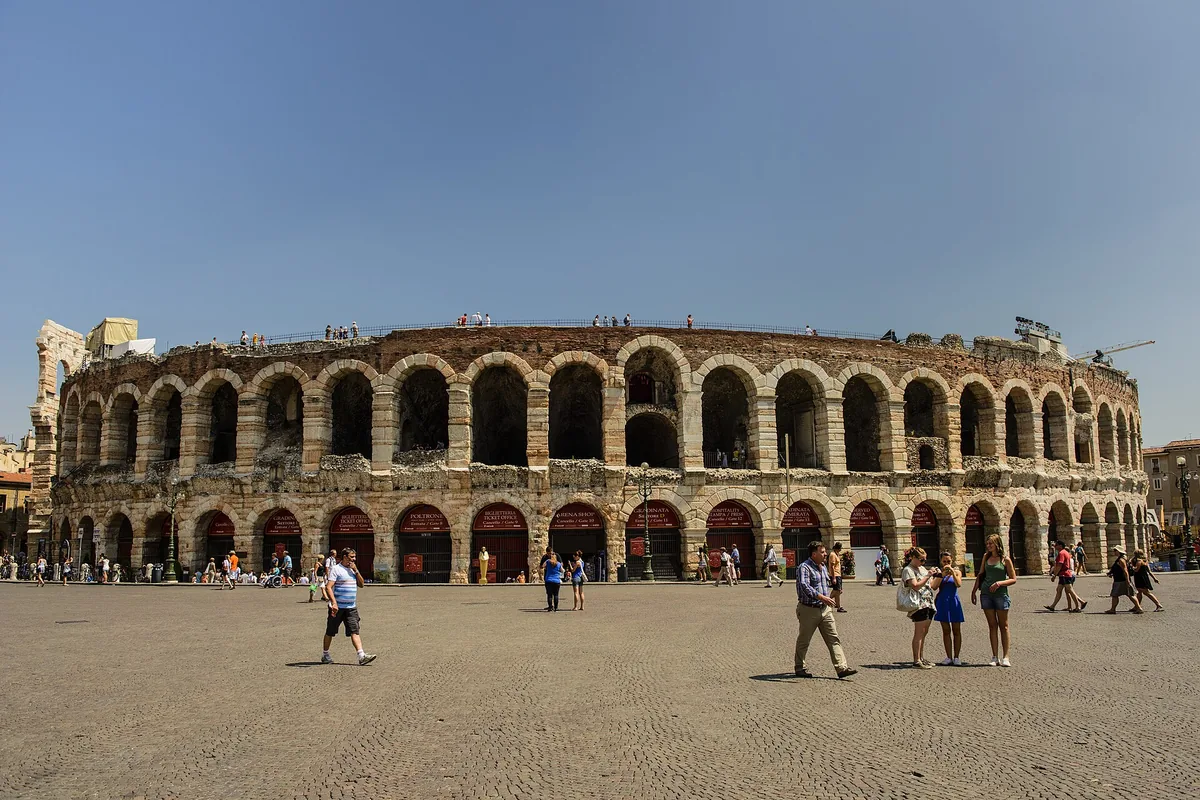
Verona is the grandest city day trip from Venice, with a Roman arena, historic squares and the Romeo and Juliet legend. It is the longest of the standard train trips, so start early.
Trains from Venezia Santa Lucia take about an hour and a half on regional services, and there are frequent departures through the day. Faster services can be quicker but may cost more, so compare options on Trenitalia.
The Arena di Verona is the main sight, a large Roman amphitheatre that still hosts opera in the summer season. Check the official site for visiting rules and event days, because the arena can close for performances and preparation. From there, walk through Piazza Bra to Via Mazzini and on to Piazza delle Erbe, the old market square with frescoed buildings.
Juliet’s House (Casa di Giulietta) is crowded and mostly about the balcony, so treat it as a quick photo stop. Better value comes from walking along the Adige river, visiting the Castelvecchio and its bridge, and climbing to Castel San Pietro for views.
For lunch, look for a trattoria away from the main squares and try local dishes such as risotto, gnocchi or braised meats. Bookings are wise for weekends.
Verona is possible as a long day trip, but if you have time, an overnight stay gives you a calmer evening in the squares after the day-trippers leave.
- How to get there: Train from Venezia Santa Lucia to Verona Porta Nuova.
- How long to spend: A full day.
- Best time to go: Weekday, starting early. Check arena event days before you go.
- Tip: Spend more time in the streets and by the river than in the queue for Juliet’s balcony.
6. Treviso
Treviso is a relaxed, canal-lined city that is one of the easiest and shortest train trips from Venice. It is much less crowded than Venice, and it is known for its food and for being close to the Prosecco country.
Regional trains take about 30 minutes, and some guides quote shorter times from Venezia Mestre. Service is frequent, so you can arrive and leave without a fixed plan. Check Trenitalia for the current timetable.
The old centre is enclosed by Renaissance walls, and a walk along the canals and the Buranelli waterway is pleasant. The Isola della Pescheria, a small fish-market island in the river Sile, is a good place to see local life. Piazza dei Signori and the surrounding streets are good for coffee and people-watching.
Treviso is also associated with tiramisu, which is often credited to the area, and with radicchio, the red chicory that appears on many menus in winter. Try local dishes in a trattoria rather than a tourist spot, and ask about the seasonal specials.
It is an easy trip to combine with a visit to the Prosecco country, since Conegliano is on a nearby line. If you want a calm day with few must-see sights, Treviso is a great choice.
For travellers who find Venice busy, it can be a restful change of pace, with a similar mix of water and old buildings but much less foot traffic.
- How to get there: Regional train from Venezia Santa Lucia or Venezia Mestre to Treviso Centrale.
- How long to spend: 3 to 5 hours.
- Best time to go: Any day, but Saturday is the traditional market day. Check market times before you go.
- Tip: Wander the canals first, then eat at a trattoria away from the main square.
7. Vicenza
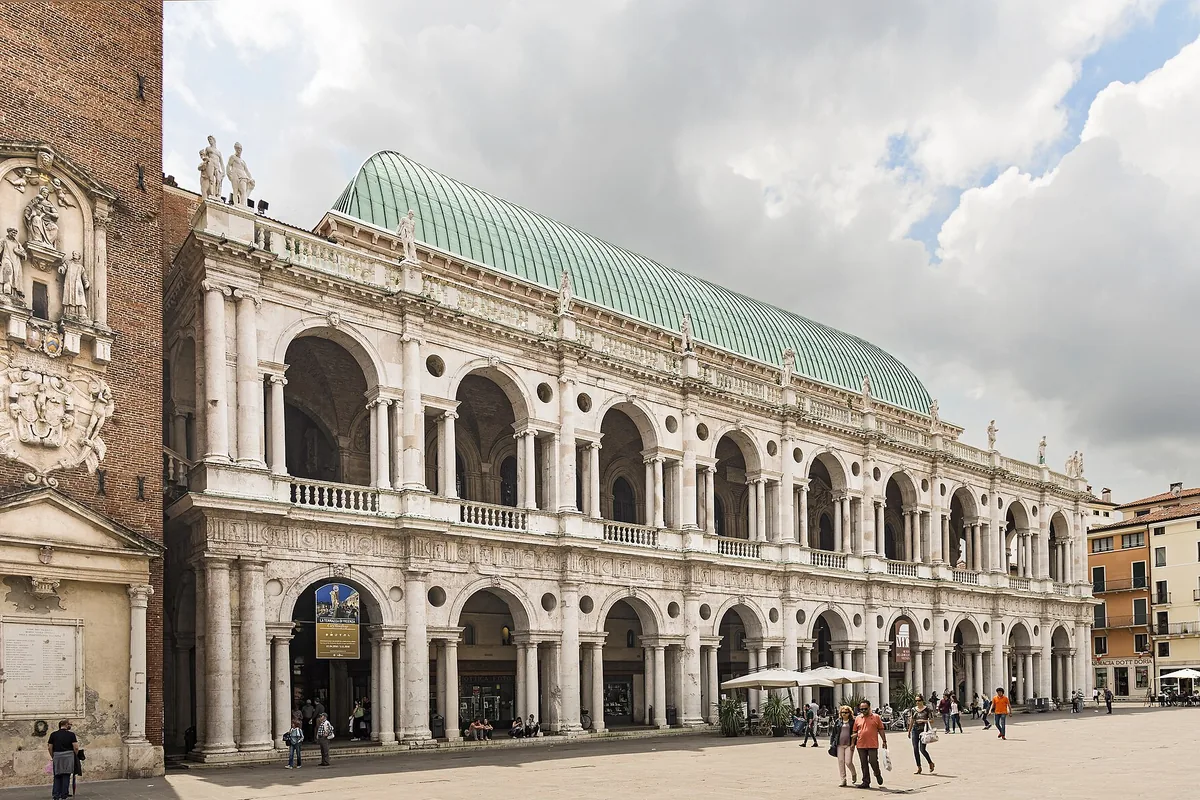
Vicenza is the city of the architect Andrea Palladio, and its centre and nearby villas are a UNESCO World Heritage Site. It is ideal if you enjoy architecture and want a quieter city than Verona.
Trains from Venezia Santa Lucia take about 45 minutes on the faster direct services and about an hour or a little more on regional ones, so check the Trenitalia timetable for your day. The station is a short walk from the centre.
The Basilica Palladiana dominates Piazza dei Signori, and the Teatro Olimpico, Palladio’s last design, is one of the oldest surviving indoor theatres in the world. Visits to the theatre are ticketed and may have set slots, so check opening details on the official site. The UNESCO listing for Vicenza and the Palladian villas of the Veneto explains what is protected.
If you have time, visit the Villa Capra, known as La Rotonda, on the edge of the city. Access to the interior is limited to certain days, so confirm before you travel. The villa and gardens can be seen from outside on other days.
Vicenza is also known for its food, with baccalà alla vicentina (a salt-cod dish) among the local specialities. A lunch in the old centre is a good way to round off the visit.
Compact and walkable, Vicenza can be done in half a day, which makes it a good partner to Padua on the same trip if you start early and travel light.
- How to get there: Train from Venezia Santa Lucia to Vicenza.
- How long to spend: 4 to 5 hours.
- Best time to go: Spring or autumn, when it is comfortable to walk. Check villa and theatre opening days before you go.
- Tip: Choose between the theatre and La Rotonda if time is short, and book tickets ahead where possible.
8. Prosecco Hills (Conegliano and Valdobbiadene)
The Prosecco Hills are a vineyard landscape of steep, narrow ridges north of Treviso, and a UNESCO World Heritage Site since 2019. It is the best day trip from Venice for wine lovers, though it takes more planning than the cities.
The simplest base is Conegliano, which is on the rail network. Allow about an hour or a little more from Venezia Santa Lucia, either on a direct regional service or with a change at Treviso, and less from Treviso itself, so check the timetable. From Conegliano, you will need a taxi, a local bus, a bike or a tour to reach the vineyards and villages along the wine road.
Many visitors choose a guided tour or a driver for the day, since it avoids the problem of drinking and driving. If you go independently, book winery visits in advance, as many are small family producers who work by appointment. Check the UNESCO listing for the Prosecco hills for background on the landscape.
The scenery is at its best in spring and early autumn, when the hills are green and then gold. Harvest season is busy, so book ahead. In winter, mist and shorter days can make travel more difficult.
Conegliano itself has a small historic centre and a hilltop castle, which makes a gentler alternative if you prefer not to venture into the vineyards.
This is a day for slow lunches, tastings and views rather than ticking off sights. Combine it with Treviso if you want a train-based plan.
- How to get there: Train to Conegliano, then taxi, bus or a tour into the hills.
- How long to spend: A full day.
- Best time to go: Spring and early autumn. Book tastings in advance.
- Tip: Arrange a driver or tour so everyone can enjoy the tastings.
9. Chioggia
Chioggia is a working fishing town at the southern end of the lagoon, often called “little Venice” for its canals and bridges. It is more local and less polished than the main tourist spots, which is its appeal.
It is not a simple train trip. The most direct option is usually a coach from Piazzale Roma, and there is also a slower route by vaporetto to the Lido, then bus and ferry via Pellestrina. Allow an hour or more each way, and check the current routes and timetables on the official transport sites before you go.
The main street, Corso del Popolo, runs through the centre, with cafes, shops and small squares on either side. The fish market is the big draw, with seafood sold directly from boats and stalls, and the surrounding restaurants serve the catch of the day. Opening days vary, so confirm market times before you go.
Walk along the canals and across the Vigo Bridge, then continue to the lagoon edge for views of fishing boats. If you want a beach, Sottomarina, a short distance away, has a long sandy shore that is popular in summer.
Choose Chioggia if you want a quieter, food-led day and are happy to spend some time in transit. Seafood lovers will find it a good complement to Venice, with fewer crowds and a more everyday atmosphere.
Return transport can finish early in the evening, so check the last departures before settling in for a long dinner.
- How to get there: Bus or boat plus bus from Venice. Check the current options with the official transport site.
- How long to spend: 5 to 6 hours including travel.
- Best time to go: Morning, to catch the fish market. Check market days before you go.
- Tip: Eat seafood at lunch, and plan your return before the evening.
10. Trieste
Trieste is the longest of these day trips, a grand Adriatic port city with a mix of Italian, Austrian and Slavic influences. It is the right choice for travellers who want something quite different from the Veneto.
Trains from Venice take roughly two hours each way on direct services, so it is a long day. Check timetables on Trenitalia, and consider faster services if you want to save time.
The centrepiece is Piazza Unità d’Italia, one of the largest squares in Europe that opens directly onto the sea. Nearby are the Canal Grande with its bridge and the old streets of the Borgo Teresiano. The city is also known for its historic coffee houses, a legacy of its time as a major port in the Austro-Hungarian empire.
If you have energy, Miramare Castle, on the coast just outside the city, is a popular stop, with gardens and sea views. Check opening details and transport options before you plan the visit.
Trieste’s cafes are the best way to slow down. Order a coffee, as the local names differ from the rest of Italy, and take your time. Lunch menus often include fish, as well as dishes with Central European influences.
Because of the travel time, this is a trip for people with a free day and a love of cities. If you are short of time, choose Padua or Treviso instead.
- How to get there: Train from Venezia Santa Lucia or Mestre to Trieste Centrale.
- How long to spend: A full day.
- Best time to go: Spring and autumn, when the weather is mild. Check train times before you go.
- Tip: Leave early, and book your return train before the evening rush.
How to pick the right day trip from Venice
Match the trip to your interests and energy. For a short, scenic day with no planning, choose Burano and Torcello. For art, choose Padua. For a big city with a Roman arena, choose Verona. For architecture, choose Vicenza. For wine and countryside, choose the Prosecco Hills. If you want a relaxed day with local food, choose Treviso or Chioggia.
Think about timing too. The lagoon islands are easy to combine, but the mainland cities are best done one per day. Trieste and Verona are long days, so leave them for when you have a full day free. If you are building a wider Italian trip, our guide to the best day trips from Bologna shows how Verona and the Veneto fit into a rail route through northern Italy.
Suggested plans for 1, 2 or 3 days of day trips from Venice
Group the stops by direction, so you spend more time exploring and less on transport.
Day 1: Lagoon islands
Take an early vaporetto from Fondamente Nove to Torcello, via Burano if needed, and see the cathedral mosaics first. Continue to Burano for lunch and a walk along the canals, then stop at Murano on the way back for the glass museum and a furnace demonstration. This is an easy day and a good first trip.
Day 2: Padua and Vicenza
Catch a morning train to Padua and keep your Scrovegni slot as the fixed point. Spend the late morning at the basilica and the Prato della Valle, then eat lunch at the market. In the afternoon, take a short train to Vicenza for the Basilica Palladiana and a walk through the centre, then return to Venice by train in the evening.
Day 3: Verona or the Prosecco Hills
Choose Verona for a classic city day: arrive early, visit the arena, walk through the old squares and return in the evening. If you prefer wine and scenery, go to Treviso in the morning, change at Conegliano and spend the afternoon in the hills with a tour or taxi booked in advance.
Getting around: trains, boats and tickets
Most mainland day trips leave from Venezia Santa Lucia, the main station in Venice, or Venezia Mestre on the mainland. Regional trains are the best value, and fast services can save time on longer routes. You can check timetables and buy tickets on Trenitalia. Remember to validate paper tickets at the machines on the platform if they are not already time-stamped, as the rules differ from ticket to ticket.
For the lagoon islands, use the vaporetto network. Tickets and passes are sold through Venezia Unica, and prices and rules change, so check the current options. Be careful with unofficial boat offers, since the public water bus is cheaper and more flexible. If you want to see places beyond the usual list, read our guide to the best hidden gems in Italy before you choose your next stop.
Where to stay for day trips from Venice
- Near Venezia Santa Lucia (Cannaregio): Best for mainland trains, with quick access to the station and a quieter feel.
- Venezia Mestre: On the mainland, with lower accommodation costs and easy train access, but less atmosphere.
- Near Fondamente Nove (Cannaregio or Castello): Handy for the island boats to Murano, Burano and Torcello.
- Dorsoduro or San Polo: Central and atmospheric, with easy water bus access, but a longer walk to the station.
Budget guidance for day trips from Venice
- Shoestring: Regional trains, a day pass or single vaporetto tickets, a picnic or bakery lunch and free sights such as walking in Treviso or Chioggia.
- Mid-range: A mix of regional trains and a few paid sights, such as the Scrovegni Chapel or the Arena, plus a sit-down lunch.
- Comfortable: Faster trains, a private driver or guided tour for the Prosecco Hills, and a long lunch with local wine.
Money-saving tips: travel on regional trains, buy tickets in advance for popular sights and avoid unofficial boat offers on the islands.
Frequently Asked Questions
What is the best day trip from Venice?
For most first-time visitors, Burano and Torcello by vaporetto are the easiest and most scenic. For a mainland city, Padua is the best all-round choice, especially for Giotto’s frescoes.
Which day trips from Venice can I do by train?
Padua, Verona, Treviso, Vicenza and Trieste are all reachable by train from Venezia Santa Lucia. Conegliano, the gateway to the Prosecco Hills, is also on the rail network.
How far is Verona from Venice?
Verona is about an hour and a half by regional train, and faster services can take less. Check Trenitalia for the current timetable.
Can I visit Burano and Murano in one day?
Yes. Murano is on the same vaporetto line as Burano, so you can combine them, and add Torcello for a full day on the lagoon.
Do I need to book the Scrovegni Chapel in advance?
Yes, entry is by timed ticket, so book on the official site before you travel. Slots can sell out in busy seasons.
What is the cheapest way to do day trips from Venice?
Use regional trains and the public vaporetto, and avoid organised boat offers and fast trains unless you need to save time. Many of the best sights, such as streets and squares, are free.
Discover More of Italy
From Venice, the rail network makes it easy to keep exploring northern Italy. For food after a day of sightseeing, see where to eat in Florence, or plan a longer trip with our guide to the best places to eat in Rome.
Featured image: Photo by Jorge Franganillo, CC BY 2.0, cropped, via Wikimedia Commons