Last updated: November 2026
Rome is one of the best cities in Europe to eat on the move, and the best street food in Rome is cheap, filling and rooted in centuries of Roman cooking. Fried rice balls, pizza sold by weight, stuffed pizza pockets, sweet cream buns and artisan gelato can all be eaten standing up or walking between sights, so you rarely need to book a table.
For a first visit, start with supplì at Supplizio, a trapizzino in Testaccio and pizza al taglio at Pizzarium, then finish with gelato. This guide covers ten places, what to order at each, the area each suits and how to avoid the tourist traps. It also includes a free printable 3-day Rome street food itinerary that groups the stops by neighbourhood, so each day needs only short walks or one metro or tram ride.
For general planning, the official Rome tourism website lists places to eat and markets across the city. Opening days and hours change often and many small shops close on Sundays or Mondays, so check before you go. Anything this guide could not confirm is marked “check before you go”. For more to eat in the city, see our guides to the best foods to try in Rome and the best places to eat in Rome.
Quick answer: What is the best street food in Rome? Supplì (fried rice balls) at Supplizio, a trapizzino pocket in Testaccio and pizza al taglio at Pizzarium are the three essentials. Add a maritozzo cream bun at Pasticceria Regoli and a gelato from Fatamorgana or Gelateria dei Gracchi to finish.
Free printable itinerary
Planning a trip? Download our 3-Day Rome Street Food Itinerary as a PDF: the day-by-day plan plus all 10 places with directions and map links. Print it or keep it on your phone.
Quick comparison: best street food in Rome
| Place | Area | Best for | Price tier |
|---|---|---|---|
| Supplizio | Centro storico | Supplì and fried snacks | Cheap |
| Trapizzino | Testaccio | Stuffed pizza pockets | Cheap |
| Pizzarium | Prati | Pizza al taglio | Cheap to mid-range |
| Mordi e Vai | Testaccio market | Slow-cooked meat sandwiches | Cheap |
| Pasticceria Regoli | Esquilino | Maritozzi cream buns | Cheap |
| Fatamorgana | Several areas | Natural gelato with unusual flavours | Cheap |
| Gelateria dei Gracchi | Prati and other areas | Seasonal gelato | Cheap |
| Gelateria del Teatro | Near Piazza Navona | Gelato in the old centre | Cheap |
| Mercato Centrale | Termini | Many street foods under one roof | Cheap to mid-range |
| Giolitti | Near the Pantheon | A historic gelato stop | Cheap |
1. Supplizio
Supplizio is the best place to try supplì, Rome’s classic fried rice ball with a molten mozzarella centre. The original shop is on Via dei Banchi Vecchi, in a vaulted room in the historic centre, and it opened in 2014 under chef Arcangelo Dandini. Dandini also runs a fried food counter inside Mercato Centrale, and guides report another Supplizio outlet elsewhere in the city.
A supplì is a ball of rice in tomato sauce, coated in breadcrumbs and deep-fried so that the cheese inside pulls into a string when you bite it. The Roman nickname, supplì al telefono, comes from that cheese string, which looks like a telephone cord. Supplizio’s version is regularly named among the best in the city, and the shop also sells other fried snacks and a few Roman dishes, so you can build a small meal.
The best way to eat one is straight away, while it is hot, so avoid taking it away for later. If you are with a group, order a few different fillings and share. Queues are usual at lunchtime, but they move quickly.
The shop is close to the Tiber and within walking distance of Campo de’ Fiori, which makes it easy to combine with a stroll around the old centre. Opening hours are listed differently across guides, so check the shop’s own page before you go.
- How to get there: A short walk from Campo de’ Fiori or Piazza Navona. Buses along Corso Vittorio Emanuele II stop nearby.
- How long to spend: About 20 to 30 minutes.
- Best time to go: Early lunch, before the main queue builds.
- Tip: Order two supplì rather than one, and eat them immediately while hot.
2. Trapizzino
Trapizzino is the best place to try Rome’s modern street food invention, a triangle of pizza bianca stuffed with slow-cooked fillings. It was created by Stefano Callegari, and sources agree the original shop is on Via Giovanni Branca in Testaccio. Callegari first served it in Testaccio in the late 2000s, and it has since spread to other parts of Rome and abroad.
The pocket is made from a soft, chewy white pizza dough, cut into a triangle and opened up like a pitta. It is then filled with classic Roman dishes, such as braised meat, meatballs in tomato sauce or stewed vegetables, so each bite tastes like a small plate from a trattoria. Vegetarian fillings are available, though menus change, so ask.
The shop is small with very limited seating, so expect to eat standing or in the street. That suits the food, which is designed to be eaten in your hand. A drink from the counter or a local beer is the usual pairing.
Testaccio is a good neighbourhood for a food-led afternoon, with its market, old slaughterhouse district and several traditional restaurants. See our guide to the best hidden gems in Rome for more ideas away from the main sights.
- How to get there: Metro line B to Piramide, then walk into Testaccio. Trams and buses also run nearby.
- How long to spend: 20 to 30 minutes.
- Best time to go: Lunch or early evening, avoiding the busiest peak.
- Tip: Order two different fillings and swap halves, and check opening days as sources disagree on Mondays.
3. Pizzarium
Pizzarium is the best place in Rome for pizza al taglio, the pizza sold by the slice and weighed at the counter. It is run by Gabriele Bonci in Prati, roughly a ten-minute walk from the Vatican, and it is one of the most consistently recommended stops in Roman food guides.
The format is different from a pizzeria. The pizza comes in long rectangular trays, with toppings that change by season and by day, and you point to the piece you want and ask for the size you need. It is cut, weighed and heated for you. The base is light and airy, closer to focaccia than a thin Neapolitan pizza, and toppings range from simple tomato to seasonal vegetables and cured meats.
The queue can be long, particularly after a Vatican visit, but it is part of the experience, and it often moves faster than it looks. Some visitors find the price high for street food, so order small pieces and try several flavours rather than one big slice.
Because the shop is small, the standard approach is to eat outside or nearby. Prati has plenty of places to sit afterwards, and the area works well as a lunch stop on a Vatican day.
- How to get there: Metro line A to Cipro, then a short walk. It is also an easy walk from the Vatican Museums.
- How long to spend: About 30 minutes, longer in a queue.
- Best time to go: Before the main lunchtime rush, or mid-afternoon.
- Tip: Ask for small squares of three or four toppings and check the hours before you queue.
4. Mordi e Vai
Mordi e Vai is the best stop for a Roman sandwich filled with slow-cooked meat, and it sits inside the Mercato di Testaccio. The name means “bite and go”. The stall was opened by Sergio Esposito and his wife, Mara Cipriani, and Rome’s official tourism site says it is now run by their son. The signature sandwich is allesso, slow-cooked beef served in a soft roll with salsa verde.
This is traditional Roman cooking: the cheaper cuts of meat, simmered for hours until tender, then served in bread. It is messy and rich, and it is better eaten standing at the stall than on the move. Other fillings change with the day, so ask what is on offer.
One practical tip from guides is to take a queue ticket first, then buy a drink from a nearby bar while you wait for your number. The stall is busy at lunchtime and closed on Sundays, and some guides say it also closes on Saturdays, so check before you go.
The market itself is worth a wander. It is a working food market, with stalls selling fruit, vegetables, cheese and more, as well as other places to snack. For an overview, see the Mercato di Testaccio website and ask at the market for current stall hours.
- How to get there: Metro line B to Piramide, then walk or take a tram or bus towards Testaccio.
- How long to spend: About 30 to 45 minutes, including the market.
- Best time to go: A weekday late morning or early lunch.
- Tip: Take a queue ticket first, then get a drink while you wait, and check opening days.
5. Pasticceria Regoli
Pasticceria Regoli is the best place to try a maritozzo, the soft Roman bun filled with whipped cream. It is on Via dello Statuto in the Esquilino area and the business dates from 1916, which makes it one of the long-established names in the city for this sweet.
The maritozzo is traditionally a breakfast item, often eaten with a cappuccino. The bun is lightly sweet, split open and packed with fresh cream, and it is more filling than it looks. The shop also sells other pastries, and guides mention a Lent-style version without cream but with raisins, which is an older form of the recipe.
Regoli is a neighbourhood bakery rather than a stand, so you can eat at the counter or take a box away. It is within walking distance of Termini station, which makes it a good first stop if you arrive in the morning, and close to Mercato Centrale for a later snack.
Because the cream is fresh, eat the bun soon after buying it. A maritozzo is rich enough to count as a meal for many people, so plan the rest of the day with that in mind. For coffee and breakfast options, see our guide to the best cafes in Rome.
- How to get there: Walk from Termini or Vittorio Emanuele metro on lines A and B.
- How long to spend: About 20 minutes.
- Best time to go: Morning, when the buns are freshest.
- Tip: Pair it with an espresso or cappuccino, and check opening days.
6. Fatamorgana
Fatamorgana is the best gelateria for natural flavours and dietary needs. It is a small Roman chain with several shops, and the number of branches varies by source. One of the best known is in Trastevere, on Via Roma Libera near Piazza San Cosimato, so check the nearest branch on a map.
The shop is known for natural ingredients and for creative flavours that go beyond chocolate and vanilla. Guides mention combinations such as black cherry and stracciatella, and wine and basil, and the range changes with the season. It also suits travellers with dietary needs, as many flavours are vegan, dairy-free or gluten-free. Ask the staff which ones are suitable if you have an allergy.
Gelato is a street food in the simplest sense, and the way to enjoy it is to walk around with a cone or cup. A small portion with two flavours is usually enough. Try one familiar flavour and one unusual one to see how it compares.
Trastevere is a good area for an evening stroll after dinner. The narrow lanes can be crowded, but a cone is easy to eat while walking, and it pairs well with a visit to one of the area’s bars. For drinks, see our guide to the best bars in Rome.
- How to get there: Tram 8 or a bus to Trastevere, or walk across the river from the centre.
- How long to spend: 15 to 30 minutes.
- Best time to go: After dinner, or on a warm afternoon.
- Tip: Choose a small cup with two flavours, and check which shop is nearest as addresses vary.
7. Gelateria dei Gracchi
Gelateria dei Gracchi is the best gelato stop near the Vatican, and it is known for seasonal flavours. The original shop is on Via dei Gracchi in Prati, and the brand has two other branches in the city, including one on Via di Ripetta near Piazza del Popolo.
It is a good partner to Pizzarium, as the two are in the same area. After a slice of pizza al taglio, a cone is a natural second stop. The shop says it uses seasonal fruit and fresh Italian milk, so the flavours change through the year. Fruit flavours are strongest in summer, while chocolate and nut flavours suit colder months.
A useful rule in Rome is to avoid shops with huge, brightly coloured mounds of gelato piled high in the window, as these are often made with additives. Smaller, flatter displays and natural colours are a better sign, and ask staff for their seasonal recommendation.
The area around the Vatican is busy during the day but quieter in the evening, so a late gelato after a sunset walk by the river is pleasant. If you want a quieter walk, head towards the Tiber and cross a bridge into the old centre.
- How to get there: Metro line A to Ottaviano or Lepanto, then a short walk.
- How long to spend: About 15 to 20 minutes.
- Best time to go: After lunch, or on an evening walk.
- Tip: Ask for the seasonal flavours, and check which branch is closest.
8. Gelateria del Teatro
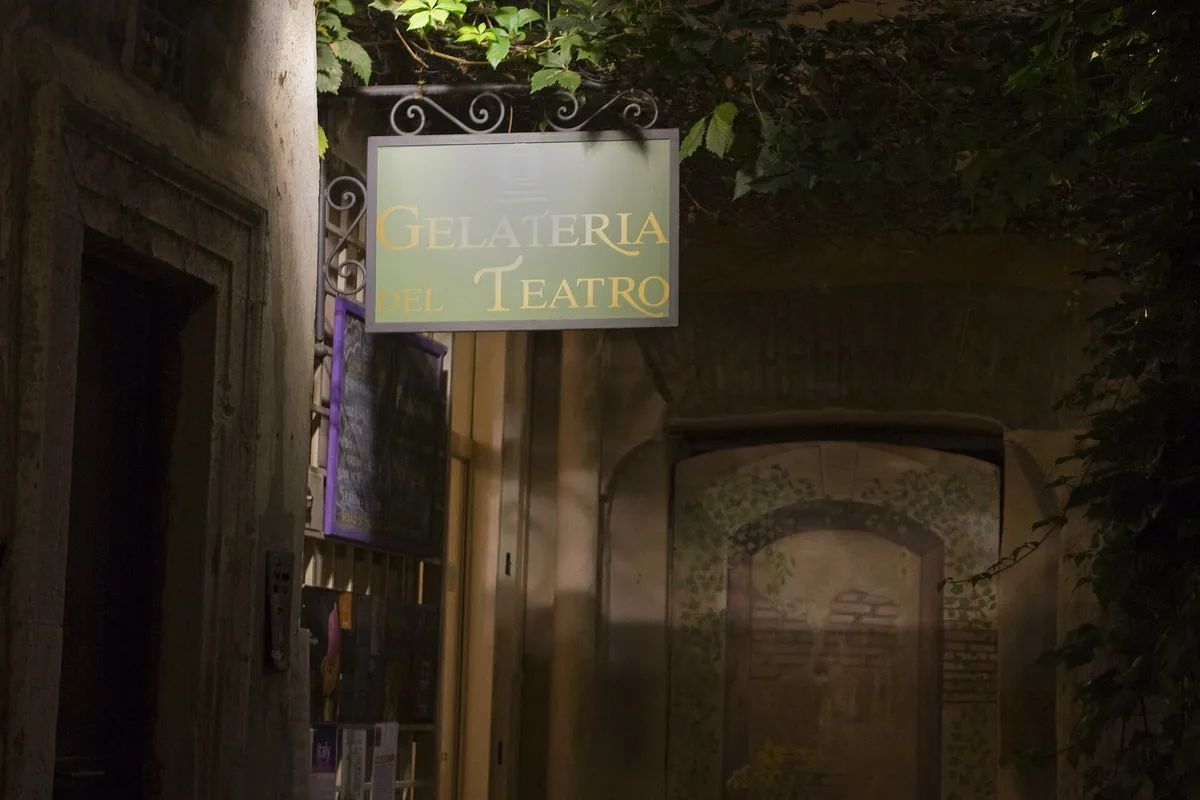
Gelateria del Teatro is the best gelato stop in the old centre, and it is small enough to feel like a find. The shop is on Via dei Coronari, between Piazza Navona and Castel Sant’Angelo, and it also makes chocolate and pastries.
The street itself is a pleasure to walk. Via dei Coronari is lined with antique shops and old buildings, and it is a quieter way to move between the main sights. A cone from here is a good reason to take the side street instead of the main road.
The flavours change by season, and guides highlight the use of fresh ingredients. As with any gelateria, ask to taste before you choose, and avoid the very large sizes. A small cone is enough, especially if you are eating your way across the city.
Because it is close to Piazza Navona and Castel Sant’Angelo, it works well as a break between sightseeing stops. Walk with your cone along the river, or sit on a bench if you find one. The shop also sells chocolate and pastries, which make good small gifts if you want something to take home, though it is worth checking what is on offer at the time of your visit.
- How to get there: A short walk from Piazza Navona or Castel Sant’Angelo.
- How long to spend: 15 to 20 minutes.
- Best time to go: Mid-afternoon or early evening.
- Tip: Take the quieter side street from Piazza Navona, and check current opening hours.
9. Mercato Centrale
Mercato Centrale is the best option if you want many street foods in one place. It is a large food hall at Via Giovanni Giolitti 36, a few minutes’ walk from Termini station. Stalls sell pizza, pasta, fried food, sandwiches, desserts and drinks, and the counters include a Trapizzino outlet and a fried food counter from Supplizio’s chef, Arcangelo Dandini.
The advantage is choice. A group with different tastes can split up, order from different counters and meet at a shared table. It is also useful for late arrivals or early departures, as the hall opens for long hours, although sources differ on the exact times, so check the official website.
The disadvantage is that it is a modern food hall rather than a street stall, so the atmosphere is more polished and less local. Treat it as a practical stop for variety, convenience and a rainy day, not as the most authentic experience in Rome. The Mercato Centrale Roma website has current stalls and opening hours.
If you are short of time, you can try several of the foods in this guide, including supplì and trapizzino, in one visit. Avoid filling up on the first stall you see, and walk the whole hall before you order.
- How to get there: A five-minute walk from Termini station, which has metro lines A and B.
- How long to spend: One hour.
- Best time to go: Off-peak, such as mid-afternoon, when seating is easier.
- Tip: Walk the whole hall first, then order from two or three counters, and check the hours online.
10. Giolitti
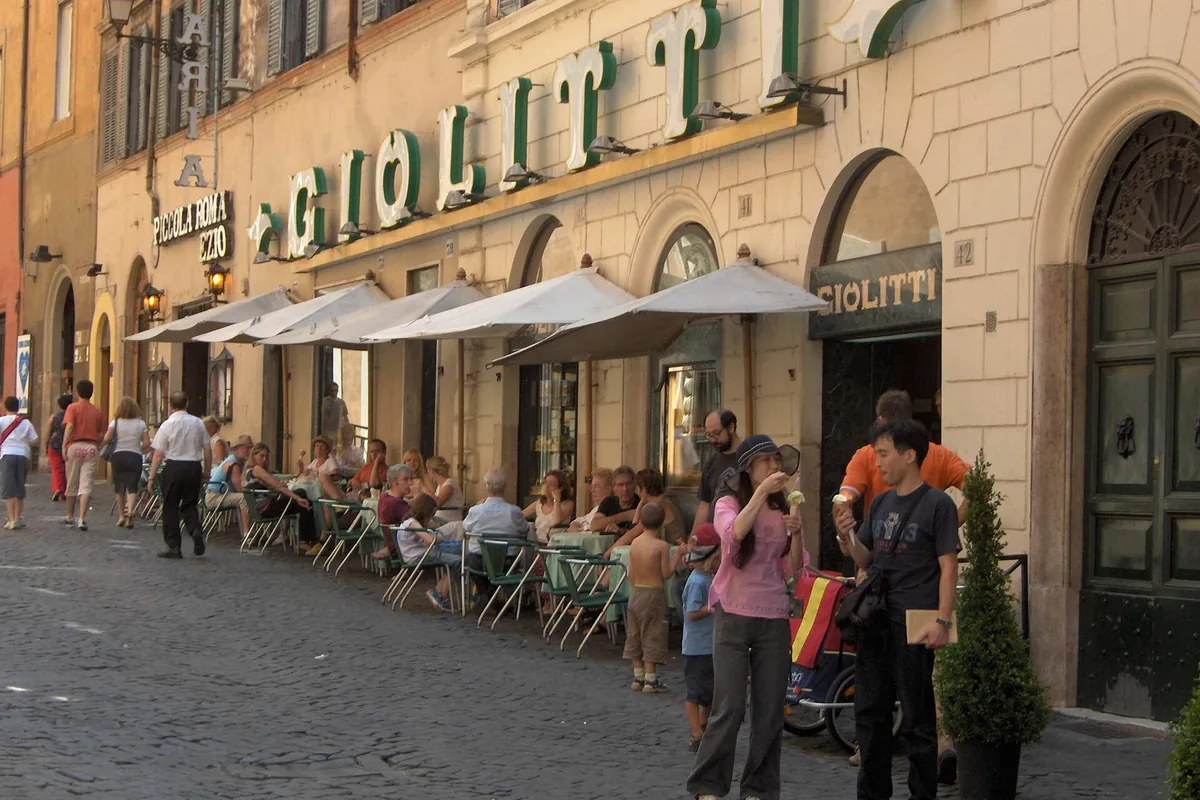
Giolitti is the best historic gelato stop near the Pantheon, and it is worth it for the setting as much as the ice cream. It is a long-established gelateria in the old centre, close to the Pantheon and Piazza Montecitorio. Some guides call it touristy, though still good, and recommend it more for the history than for the most inventive flavours.
Expect a busy room with a counter where you pay first and then show your receipt to be served. That system is common in older Roman gelaterie and cafes. The queue moves faster than it looks, and the staff are used to visitors.
There is also a neighbourhood bar called Giolitti in Testaccio, which is not the Pantheon shop, so check which one you are heading for.
For the best experience, take your gelato outside and walk to the Pantheon, which is a short distance away. It is one of the easiest ways to combine a classic sight with a snack. The area is crowded in the middle of the day, so an early evening visit can feel calmer, and you can eat your cone while the Pantheon square is lit up after dark. For more local gelato, return to the other shops in this guide.
- How to get there: A short walk from the Pantheon or Piazza Colonna, on foot from most central areas.
- How long to spend: 20 minutes.
- Best time to go: Mid-afternoon or after dinner.
- Tip: Pay at the till first and bring the receipt to the counter, and check which branch you are visiting.
Roman street food dishes to look out for
- Supplì: a fried rice ball with tomato sauce and a melting cheese centre.
- Pizza al taglio: pizza baked in trays and sold by weight.
- Pizza bianca: a plain, olive-oil flatbread, often filled with cured meats.
- Trapizzino: a triangle of pizza dough stuffed with slow-cooked Roman fillings.
- Maritozzo: a sweet bun filled with whipped cream, traditionally eaten for breakfast.
- Porchetta sandwich: roast pork in a roll, sold from market stalls and some shops.
- Gelato: Italian ice cream, best from shops using natural colours.
How to pick the best street food in Rome
Choose by time of day. For breakfast, pick a maritozzo at Pasticceria Regoli. For lunch, pick supplì, pizza al taglio or a trapizzino. For an afternoon snack, pick gelato. If you want variety under one roof, head to Mercato Centrale. If you want the most local feel, spend an hour in Testaccio.
How Many Days Do You Need? A 3-Day Rome Street Food Itinerary
Day 1: Centro storico
Start with supplì at Supplizio, then walk through the old centre towards Via dei Coronari for a cone at Gelateria del Teatro. Continue to the Pantheon area and finish with a historic gelato stop at Giolitti. Everything is within easy walking distance.
Day 2: Testaccio and Trastevere
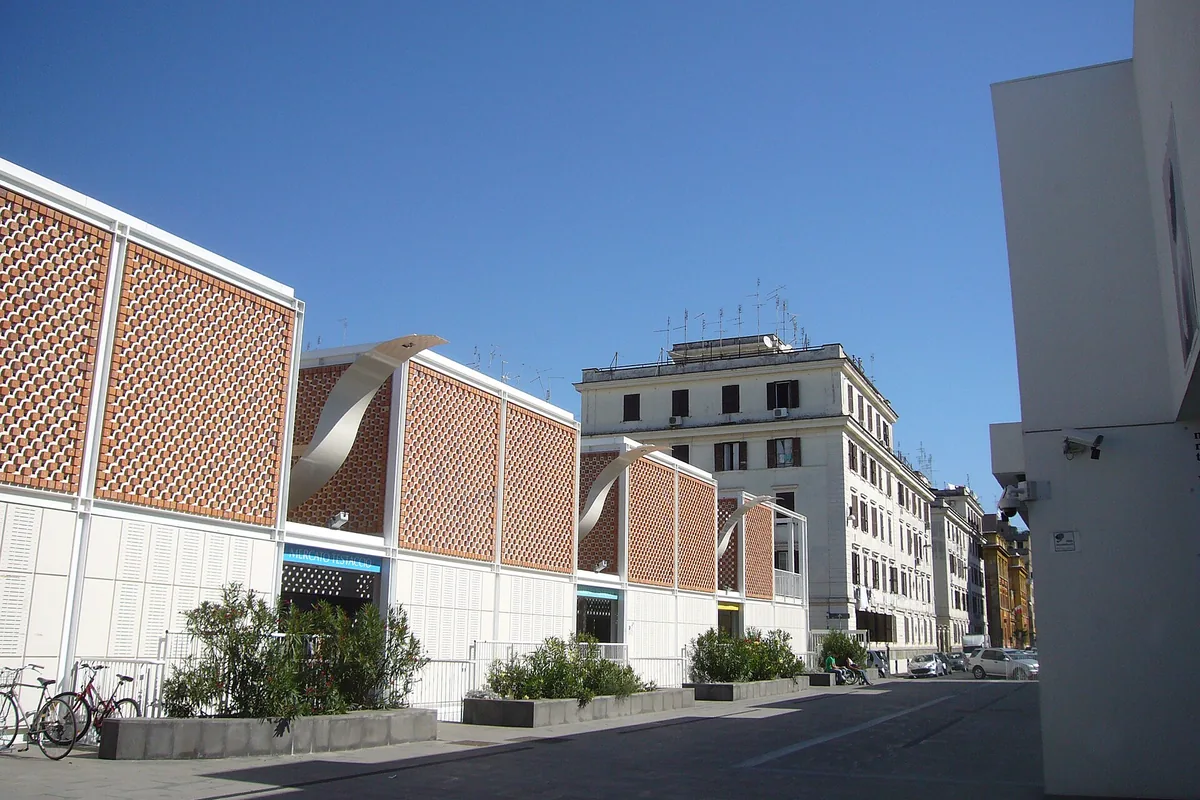
Take the metro to Piramide and spend the late morning in Testaccio. Eat a slow-cooked beef sandwich at Mordi e Vai (check it is open) and a trapizzino at the original shop. In the evening, cross to Trastevere for a gelato at Fatamorgana.
Day 3: Prati and Esquilino
Start the morning with a maritozzo at Pasticceria Regoli. Head across the city to Prati for pizza al taglio at Pizzarium and a seasonal gelato at Gelateria dei Gracchi. If you still have room, finish at Mercato Centrale near Termini for a last snack.
Getting around Rome
The centre is walkable, and most of the stops above are a short walk from each other. Metro lines A and B, trams and buses are covered by the city’s public transport system. The city transport operator ATAC has current routes, tickets and service updates. Testaccio, Prati and Esquilino are best reached by metro or bus. Wear comfortable shoes, as the streets are cobbled and uneven.
Where to stay for a street food trip
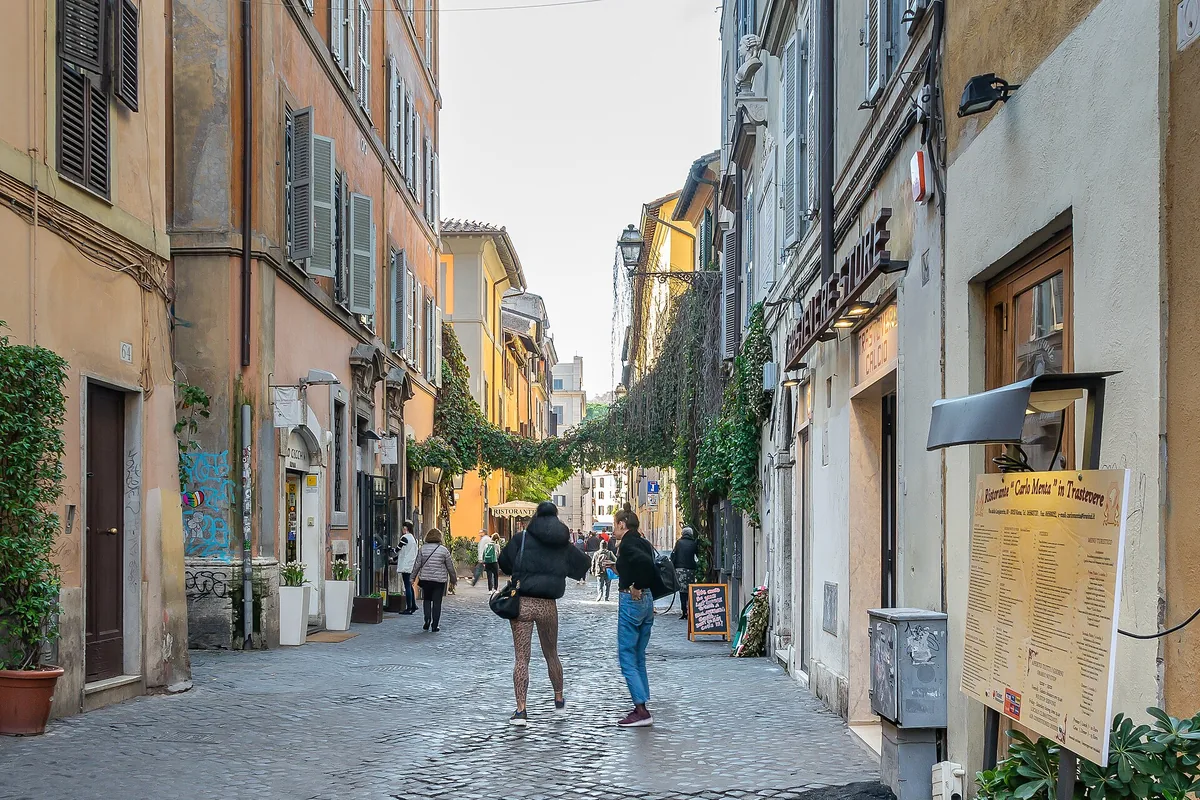
- Centro storico: the best base for first-time visitors, with Supplizio, the gelaterie and the Pantheon within walking distance.
- Trastevere: lively and atmospheric, close to Fatamorgana and a short trip from Testaccio.
- Testaccio: the best base for food lovers, though with fewer sights.
- Termini and Esquilino: practical for transport, with Regoli and Mercato Centrale close by.
Budget guidance
- Shoestring: share a pizza slice and a supplì, and have gelato as a dessert.
- Mid-range: order one dish at each stop and add a drink.
- Comfortable: combine street food with a sit-down dinner on at least one evening.
Street food tips for Rome
Eat where Romans eat: busy shops with fast turnover are a good sign. Avoid places with menus in six languages near major sights. Pay first at the till in some older shops, then show your receipt at the counter. Tipping is not expected for street food. Many shops close one day a week and some close for part of the afternoon, so check before you go.
Frequently Asked Questions
What is the best street food in Rome?
Supplì, pizza al taglio and trapizzino are the three classics. Supplizio, Pizzarium and the original Trapizzino shop in Testaccio are good places to try them.
What is supplì?
Supplì is a fried rice ball in tomato sauce with a mozzarella centre. The nickname supplì al telefono comes from the string of cheese that stretches when you bite it.
What is pizza al taglio?
Pizza al taglio is pizza baked in large trays and sold by the slice, usually by weight. You point to the piece you want and say how much you need.
Where is the best area for street food in Rome?
Testaccio is the best area for a food-focused afternoon. The old centre and Prati also have excellent stops, and Mercato Centrale is the easiest place to try several things at once.
Is street food in Rome cheap?
Most street food is at the cheaper end of Roman eating, but prices vary. Pizza by weight and gelato can add up, so order small pieces and share.
Is Rome street food safe to eat?
Yes, as long as you choose busy places with fresh, hot food. Gelato from shops with natural colours and a steady queue is generally a good bet.
Discover More of Rome
Street food is only one way to eat well in Rome. Once the gelato is finished, carry on into the evening with our pick of the best rooftop bars in Rome, where you can watch the sun set over the domes with a drink in hand.
Featured image: Photo by Jon Gudorf Photography, CC BY-SA 2.0, cropped, via Wikimedia Commons