Last updated: November 2026
Salzburg is one of the easiest bases in Europe for day trips, because lakes, mountains, salt mines, a famous ice cave and even Bavaria sit within a couple of hours. This guide to the best day trips from Salzburg covers ten options by train, bus and boat, from the postcard village of Hallstatt to the Königssee in Germany, and it ends with a free printable 3-day itinerary so you can plan the whole stay.
The ten trips are ordered by how well they suit a first visit, not by distance. Some are short and simple, such as Hallein or Mondsee. Others, such as Hallstatt, the ice cave at Werfen and Munich, need an early start and a little planning. Transport details change with the season, so check the official timetables linked in each section before you go. If you are also heading north, our guide to the best day trips from Munich shows how Salzburg fits into a Bavarian trip.
Quick answer: What are the best day trips from Salzburg? The best day trips from Salzburg are Hallstatt, the Werfen ice cave and fortress, Berchtesgaden and the Königssee, the Wolfgangsee towns of St Gilgen and St Wolfgang, Mondsee, the Hallein salt mine, Bad Ischl, Munich, Zell am See and Gmunden. For a first visit, Hallstatt and the Salzkammergut lakes give the most scenery for the least effort, while Berchtesgaden is the best option for dramatic mountains.
Free printable itinerary
Planning a trip? Download our 3-Day Salzburg Day Trip Itinerary as a PDF: the day-by-day plan plus all 10 places with directions and map links. Print it or keep it on your phone.
Day Trips from Salzburg at a Glance
| Trip | Best for | Getting there | Time each way |
|---|---|---|---|
| Hallstatt | Lakeside village views | Train and ferry, or bus | About 2 to 3 hours |
| Werfen (ice cave and fortress) | Adventure and castles | Train plus shuttle | Under 1 hour, plus the climb |
| Berchtesgaden and Königssee | Alpine lake and boat trip | Direct bus | About 1 hour |
| St Gilgen and St Wolfgang | Lake towns and boats | Bus | About 1 hour to 1.5 hours |
| Mondsee | Easy lakeside half day | Bus | About 1 hour |
| Hallein salt mine | Underground history | Local train | About 20 to 30 minutes |
| Bad Ischl | Imperial history and pastries | Train or bus | Around 2 hours |
| Munich | Big city and beer halls | Direct train | Under 2 hours |
| Zell am See | Alpine lake and glacier views | Train | Around 1.5 to 2 hours |
| Gmunden | Quiet lake and ceramics | Train or bus | Around 2 hours |
1. Hallstatt
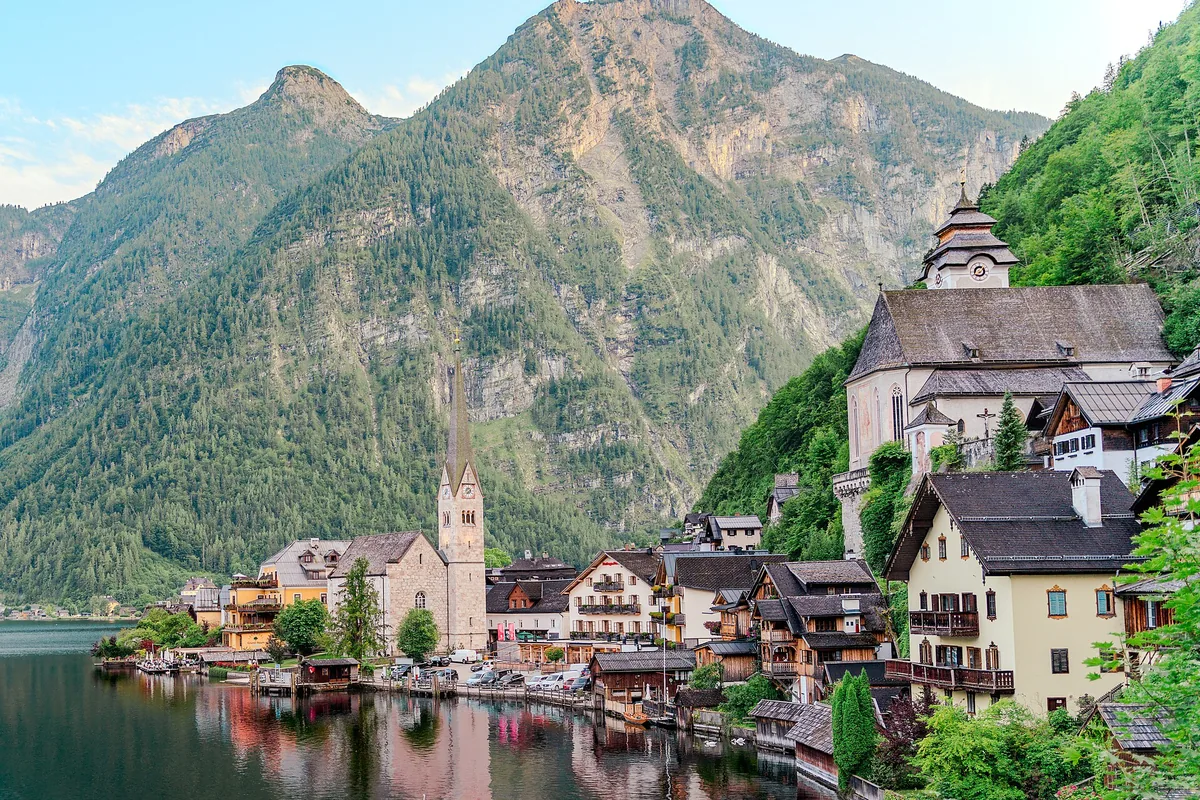
Hallstatt is the most photographed village in Austria and the classic day trip from Salzburg, with a lakeside setting under the Dachstein mountains. The village and its surroundings form part of the Hallstatt-Dachstein Salzkammergut Cultural Landscape, a UNESCO World Heritage Site, and its cluster of wooden houses by the water explains the crowds.
Plan for the viewpoints and the old centre rather than a long list of sights. The market square and the lakeside path give the famous views, the Bone House at the Catholic church holds painted skulls, and the Salzwelten Hallstatt salt mine is reached by a funicular above the village. The Skywalk on the plateau above gives a wide view over the lake, so allow extra time if you want to include it.
Hallstatt is crowded in summer and on fine weekends, and the village has asked visitors to behave respectfully around private homes, so keep to the public paths and avoid flying drones. Arriving early or staying until the evening is far more pleasant than a midday visit.
The journey is the awkward part. There is no direct train from Salzburg, so you usually combine bus or train with a change at Attnang-Puchheim or Bad Ischl and finish with the train to Hallstatt station, where a short ferry crosses the lake to the village. Compare the options on the ÖBB journey planner and plan on a long day.
- Getting there: Train via Attnang-Puchheim or bus and train via Bad Ischl, then the lake ferry from Hallstatt station.
- Time needed: A full day, with an early start.
- Best time to go: Spring, early autumn or an early weekday morning to avoid the biggest crowds.
- Insider tip: Check the ferry times before you leave the village, as the last connection to the station can be earlier than you expect.
2. Werfen: Eisriesenwelt and Hohenwerfen Fortress
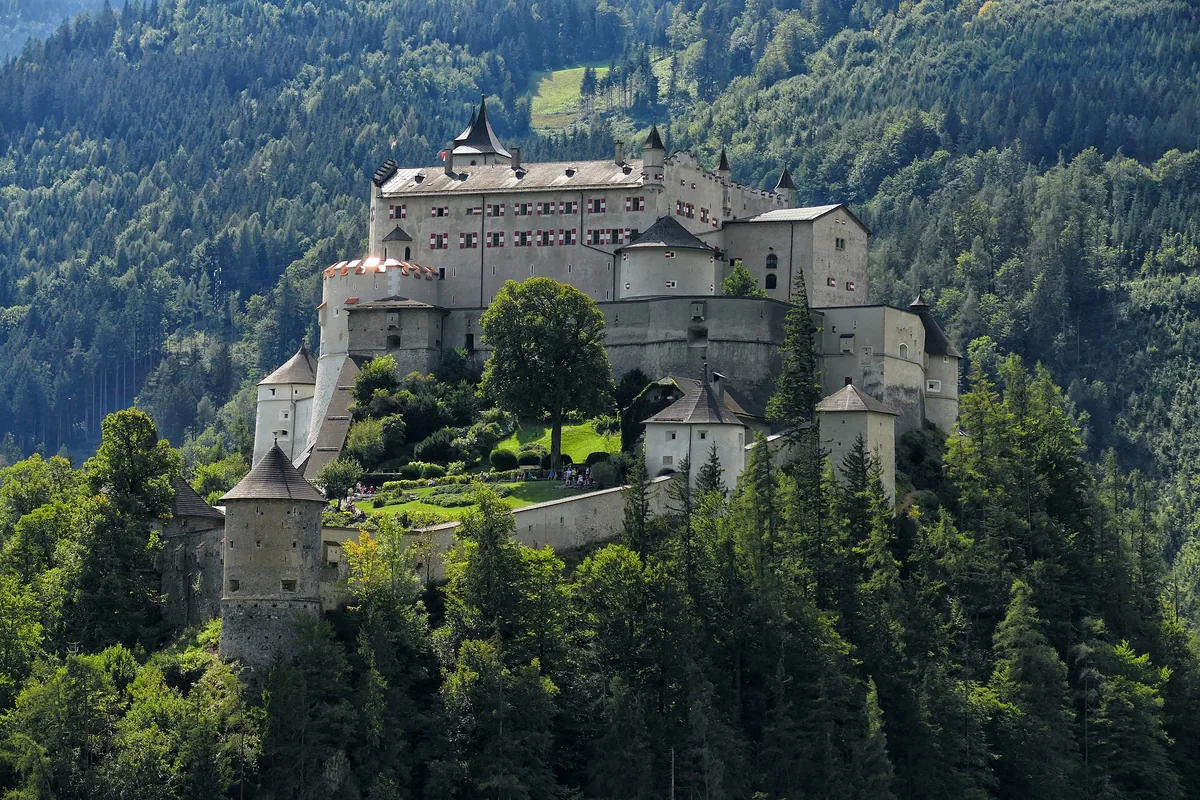
Werfen is the day trip for people who like a bit of adventure, with one of the largest ice caves in the world above the village. Eisriesenwelt is a natural cave in the Tennengebirge mountains, where ice formations fill the entrance halls. It is a guided visit only, and the cave stays close to freezing, so wear warm clothing and sturdy shoes even in summer.
Getting to the entrance takes planning. From Werfen station you take a shuttle bus to the car park, then walk up a path, ride a cable car and climb a staircase inside the mountain. Allow a good half day for the cave on its own. The cave is open seasonally and usually closes in winter, so check the official Eisriesenwelt website for opening dates and ticket rules before you plan a visit.
Down in the valley, Hohenwerfen Fortress sits on a rock above the Salzach river and is a dramatic sight. It has hosted falconry displays in season, and it is also a good option if the weather is poor and you would rather not climb to the cave. Check the fortress website for its seasonal opening before you go.
If you are short of time, choose one or the other. Combining the cave and the fortress is possible for fit visitors who start early, but it makes for a full and tiring day.
- Getting there: Train from Salzburg Hauptbahnhof to Werfen, then a shuttle bus and the cave cable car in season.
- Time needed: A full day if you visit the cave, or a half day for the fortress alone.
- Best time to go: The cave season, typically late spring to early autumn, on a dry day.
- Insider tip: Dress for winter inside the cave, with a warm layer and non-slip shoes, and check for any closures due to weather.
3. Berchtesgaden and the Königssee
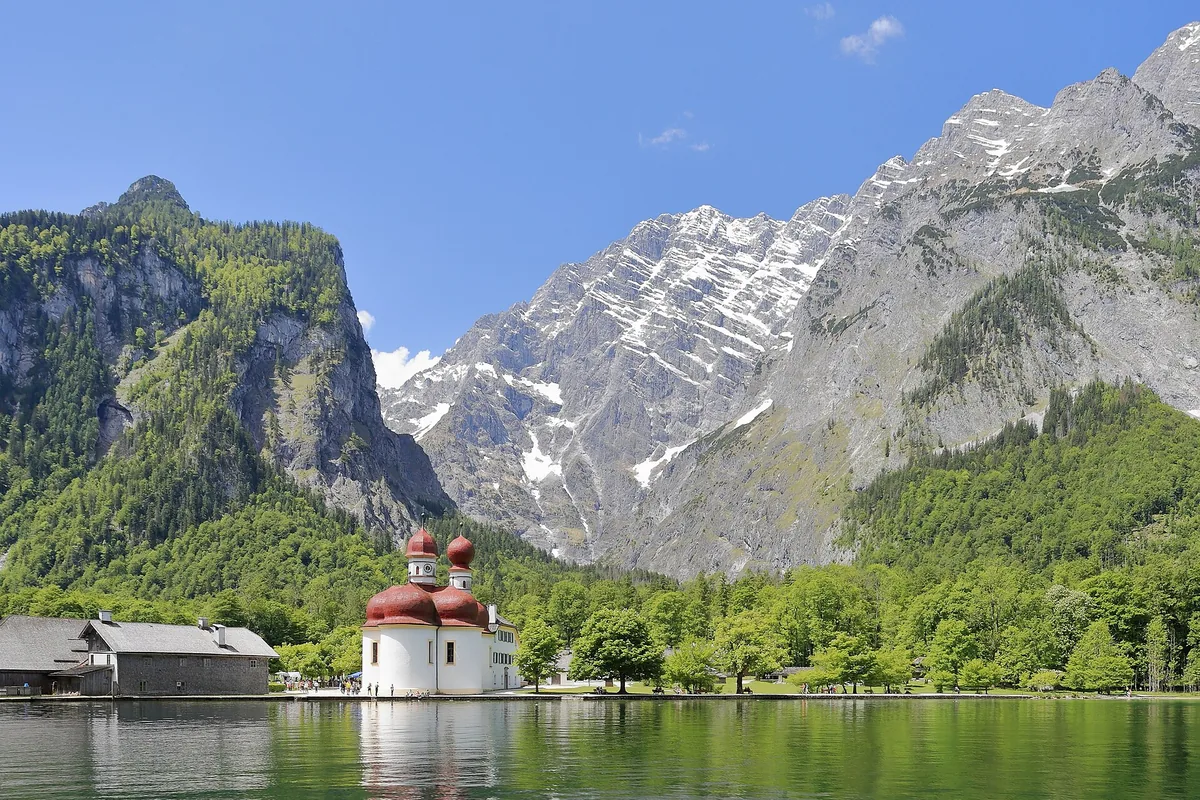
Berchtesgaden is the easiest way to see real Alpine drama from Salzburg, because the border is close and a direct bus runs from the city. The Berchtesgaden National Park wraps around the Königssee, a long, narrow and very clear lake, and the electric boats that cross it are the highlight of the day.
From the boat landing at Königssee, the boats stop at the pilgrimage chapel of St Bartholomä, a red-domed church on a peninsula beneath the steep Watzmann east face. A boat can also continue to Salet, from where a short walk leads to the smaller Obersee. The boat operator, Bayerische Seenschifffahrt, publishes its timetable and any weather disruption, which is worth checking in the morning.
In Berchtesgaden itself, the old town is small but pleasant, and the Berchtesgaden salt mine offers a different underground visit from the one at Hallein. The Kehlsteinhaus, often called the Eagle’s Nest, is a high mountain viewpoint with Second World War history that normally opens only in the warmer season. It was badly damaged by a fire in October 2026 and is closed, so check the official Kehlstein updates before planning around it.
Because this trip crosses into Germany, carry a passport or valid ID card in case of border checks.
- Getting there: Regional bus 840 from Salzburg Hauptbahnhof via Berchtesgaden towards Königssee.
- Time needed: A full day with a boat trip and a short walk.
- Best time to go: Late spring to early autumn, when the boats run most fully and the views are clearest.
- Insider tip: Check the Berchtesgaden tourism site for the current bus timetable, as services change between seasons.
4. St Gilgen and St Wolfgang on the Wolfgangsee
The Wolfgangsee is the best choice if you want lake scenery, boats and small towns without the Hallstatt crowds. St Gilgen sits at the western end of the lake, close to Salzburg, and was the home of Mozart’s mother, so a small museum and memorial recall the family link. St Wolfgang, on the northern shore, has a pilgrimage church with a famous carved altar and the lakeside White Horse Inn, known from an operetta.
The nicest way to connect the two is the lake ferry service, run by Wolfgangsee Schifffahrt, which links the main lakeside villages in the warmer months. The same operator runs the Schafberg cog railway from St Wolfgang to the summit, a good option on a clear day. The railway and ferries run on a seasonal timetable, so check the operator’s page before planning around them.
In winter and around Advent, St Wolfgang is known for its Christmas market on the lake, and the town is a gentler alternative to the bigger Salzburg markets. Dates change each year, so check the official tourist office before you travel.
A typical day starts with a bus to St Gilgen, a walk by the water, a ferry across to St Wolfgang and a late lunch of lake fish before the journey back.
- Getting there: Regional bus from Salzburg Hauptbahnhof to St Gilgen, then the ferry or a local bus to St Wolfgang.
- Time needed: A full day if you add the Schafberg, or a relaxed half day for the lake alone.
- Best time to go: Late spring to early autumn, when ferries and the cog railway run.
- Insider tip: Take the ferry rather than the bus between the two towns, because the views from the water are much better.
5. Mondsee
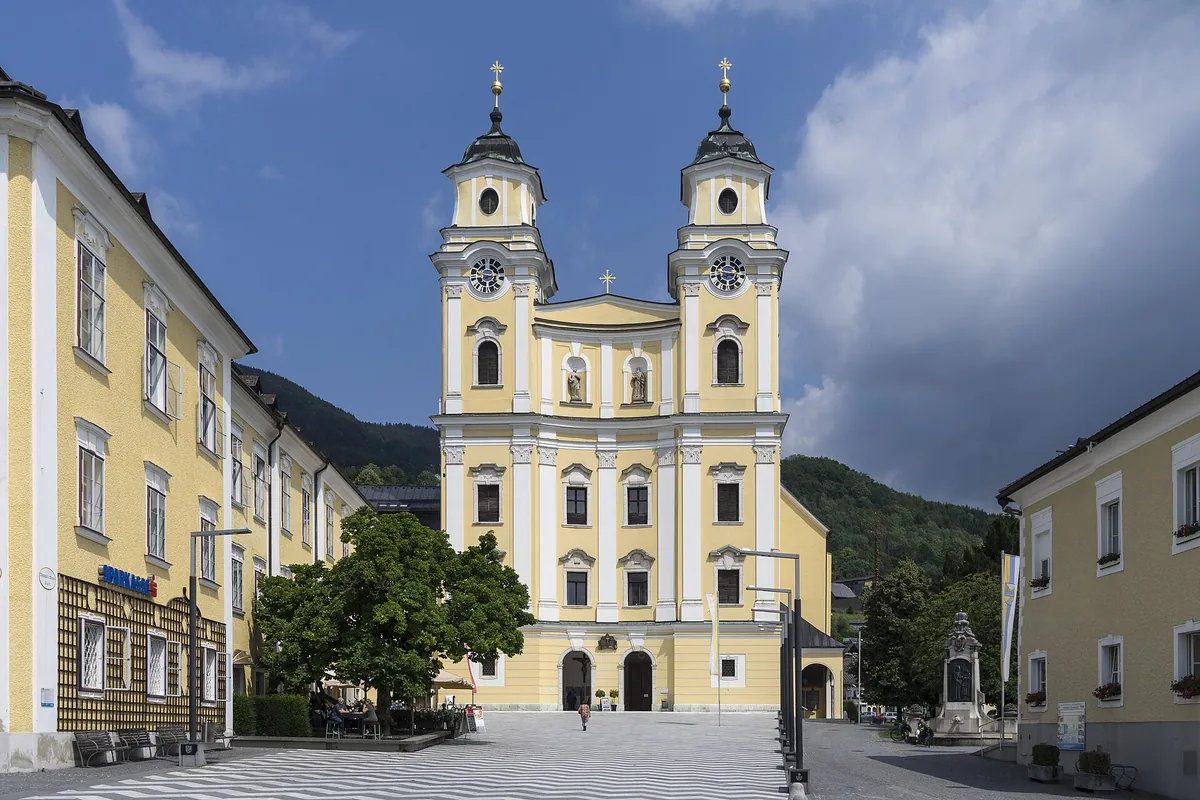
Mondsee is the simplest lakeside day trip from Salzburg, with a pretty town and a famous church in a compact centre. The twin-towered Basilica of St Michael is one of the best-known churches in the region, and it appears in the wedding scene of the film The Sound of Music, which draws many visitors who come for that reason alone.
The town sits on the northern edge of the Salzkammergut, and the lake is warm enough for swimming in summer. Walk the lakeside promenade, look at the colourful houses on the main square, and consider the Museum of Pile Dwellings, which covers prehistoric lake settlements around the Alps, part of the UNESCO-listed prehistoric pile dwellings sites. Check opening times before you visit, as small museums keep seasonal hours and it is usually closed in winter.
Mondsee is an easy link to other lake towns. The regional tourist office describes bus 140 from Salzburg main station to Mondsee, and bus 156 linking Mondsee with St Gilgen, which makes a combined Mondsee and Wolfgangsee day possible without a car.
Because the trip is short, Mondsee works well if your time is limited or the weather is mixed. It also suits families who want a lake without a long journey.
- Getting there: Bus 140 from Salzburg Hauptbahnhof to Mondsee, with services on the Salzkammergut tourism site.
- Time needed: Half a day, or a full day combined with St Gilgen.
- Best time to go: A sunny morning in late spring or summer.
- Insider tip: Visit the basilica first, before tour groups arrive, then walk the lakeside.
6. Hallein and the Dürrnberg Salt Mine
Hallein is the quickest escape from Salzburg and one of the best ways to understand why the region became rich. The town sits a short train ride south of the city, and the Salzwelten Hallein visitor mine on the Dürrnberg shows how salt was mined, with slides, a boat ride across a salt lake and a mining village exhibit. Salt, “white gold”, paid for much of Salzburg’s baroque architecture.
The mine tour is guided and underground, and visitors usually put on protective overalls. The experience works well for families and in wet weather, and tours are offered in English. Check the Salzwelten website for current tour times, booking advice and any seasonal changes.
Above the mine, the Dürrnberg area includes a reconstructed Celtic village and a small museum, so you can link history from different periods in a single visit. In Hallein town, the old centre has a compact main square and a pedestrian bridge over the Salzach.
Because it is so close, Hallein pairs well with another morning or afternoon activity. Some visitors combine it with a walk by the river or with a visit to a nearby gorge on the way back, subject to seasonal opening.
- Getting there: Local train from Salzburg Hauptbahnhof to Hallein, then a bus or the Dürrnberg cable car to the mine.
- Time needed: About half a day.
- Best time to go: Any season, which makes it a good wet-weather choice.
- Insider tip: Book ahead for busy summer days and bring a light jacket, as the mine is cool.
7. Bad Ischl
Bad Ischl is the day trip for imperial history and old-fashioned pastries, set in the heart of the Salzkammergut. The spa town was the summer residence of Emperor Franz Joseph, and the Kaiservilla is the main sight, with guided tours of its rooms and a park. Check the official Kaiservilla site for visiting rules, as tours are timed and some parts are open only in season.
The town was also the European Capital of Culture in 2024 with the Salzkammergut region, and the programme left a lasting mark on its museums and public spaces. The Traunkai riverside and the Kurpark are good places for a gentle walk, and the Kaiserpark and the Lehár Villa honour the composer Franz Lehár.
Stop at Café Zauner, the long-established pastry shop on the Esplanade, for a slice of the famous Zaunerstollen or a traditional cake. Check opening times in advance, as hours vary. Bad Ischl also has a thermal spa if you want to rest after sightseeing.
The town works well alone or as a stop on the way to Hallstatt, because many bus and train routes pass through it. If you plan to combine the two, start early and keep the return connection in mind.
- Getting there: Train with a change, or regional bus 150 from Salzburg Hauptbahnhof.
- Time needed: A full day with the villa and a cafe stop.
- Best time to go: Spring to early autumn for the park and outdoor seating.
- Insider tip: Buy the Kaiservilla ticket in the morning and fill the afternoon with the cafe, spa and a riverside walk.
8. Munich
Munich is the big-city day trip, and the direct train makes it easier than most people expect. The journey takes well under two hours on the fastest services, which leaves enough time for the old town, a beer hall lunch and a museum or two. It is long for a day, so go early and plan carefully.
Start at Marienplatz, where the New Town Hall carillon and the Gothic towers define the centre, then walk to the Frauenkirche and the Viktualienmarkt food market for lunch. The Residenz, the former royal palace, is one of the finest sights in the city, and the English Garden offers a long, green walk. For beer, the Hofbräuhaus is the best known hall and the Augustiner beer gardens are popular with locals.
The Deutsches Museum is among the largest science and technology museums in the world, but it needs half a day alone, so choose between it and the old town. Museum opening hours vary, so check each official site.
Because the Bayern-Ticket and regional passes change, check the Deutsche Bahn website for current train types and ticket rules. Carry a passport or ID for the border crossing. Once you are there, our guide to the best beer halls and beer gardens in Munich will help you choose where to eat.
- Getting there: Direct train from Salzburg Hauptbahnhof to München Hauptbahnhof.
- Time needed: A full day, or stay overnight if you want a museum and an evening.
- Best time to go: Any season, with the Christmas markets in December and beer gardens in summer.
- Insider tip: Choose one or two focused areas rather than trying to see the whole city.
9. Zell am See and Kaprun
Zell am See is the day trip for a big Alpine lake with high mountains behind it, and it is straightforward by train. The town sits on the shore of Lake Zell, with a small old centre, a promenade and boat trips in the warmer months. A short ride away, Kaprun is the gateway to the Kitzsteinhorn glacier area, which has year-round skiing on the upper slopes in the right conditions.
In summer, you can walk the lake path, take a swim at a lido, and ride the cable car up the Schmittenhöhe for views across the lake and the Hohe Tauern range. In winter, ski lifts and a sledging run give an easy mountain taste even without skis. Check the lift operator for seasonal opening and weather closures.
The famous Grossglockner High Alpine Road is an option for those with a car or on a tour, but it is closed for part of the year because of snow, so check the official road website before you plan around it. It is a long drive from Salzburg and best treated as a separate full-day trip.
For a straightforward day by public transport, take the train to Zell am See, walk the lakeside, ride one cable car and head back in the evening.
- Getting there: Train from Salzburg Hauptbahnhof to Zell am See, with a change on some services.
- Time needed: A full day.
- Best time to go: Summer for lake activities, or winter for skiing and sledging.
- Insider tip: Check the weather before you buy a cable car ticket, because cloud can hide the view.
10. Gmunden and the Traunsee
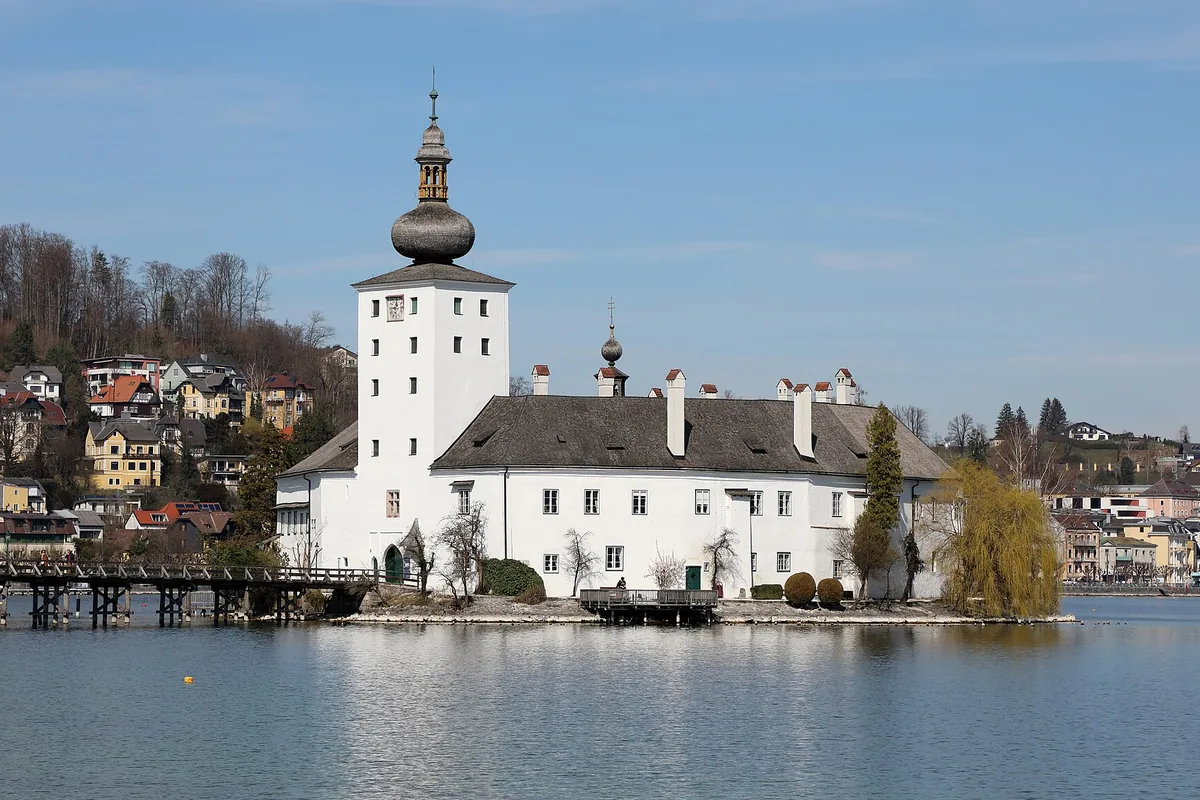
Gmunden is a quiet lake town for a day away from the crowds, with a famous ceramic tradition and a castle on the water. The Traunsee is one of the deepest lakes in the Salzkammergut, and the Traunstein mountain rises steeply from its shore. Gmunden’s pottery, with its green and white patterns, is sold across the town and is a good souvenir.
The town’s highlight is Schloss Ort, a lakeside castle linked to the shore by a wooden bridge, which is visible in a long-running Austrian television series. Walk across the bridge and look at the lake views. Gmunden also has a small tram, one of the shortest in Europe, which runs through the town and is worth a short ride.
Paddle steamer trips on the lake, including a historic vessel, run in season. Check the Traunsee shipping website before you go for current timetables. The lakeside promenade and the Esplanade are pleasant places for a coffee, and the town has a calm, almost Edwardian air.
Gmunden can be combined with Bad Ischl or Mondsee on a longer regional day, but it rewards a slower visit, so it works best as a day on its own.
- Getting there: Train or regional bus with a change from Salzburg Hauptbahnhof.
- Time needed: A full day, or a long half day.
- Best time to go: Late spring to early autumn for boats, swimming and the lakeside cafes.
- Insider tip: Buy a piece of local pottery early in the day, then carry it carefully on public transport.
How Do You Pick the Right Day Trip from Salzburg?
Choose by weather, energy and how long you have. For a wet day, Hallein’s salt mine, Werfen’s fortress and Munich’s museums work well. For a clear day, choose Berchtesgaden, the Wolfgangsee or Hallstatt, because the views are the point.
If you have only one day, Hallstatt and Berchtesgaden are the strongest choices, but both are better on a weekday. For families or relaxed travellers, Mondsee and Hallein are the easiest and shortest. If you want a city, Munich is the clear pick.
Public transport covers most of these trips, but a few require changes and long connections. A hire car gives flexibility around the lakes, while organised tours make sense for the ice cave and the Grossglockner road. If you plan several trips, consider a regional pass or the Salzburg Card on the days you stay in the city. Check the official Salzburg tourism site for passes and current rules.
How Many Days Do You Need? A 3-Day Salzburg Day Trip Itinerary
Day 1: Lakes and a famous village
Take an early bus or train to Hallstatt and arrive before the crowds. Walk the market square and the lake path, ride the funicular if you want the salt mine, and take the ferry back to the station. If you want an easier day, swap Hallstatt for Mondsee in the morning and St Gilgen in the afternoon, using the bus between the two lake towns.
Day 2: Mountains and boats
Take the direct bus to Berchtesgaden and the Königssee. Ride the electric boat to St Bartholomä, walk along the shore, and have lunch at the landing. If the weather is poor, visit the Berchtesgaden salt mine or the old town instead. Return to Salzburg for dinner.
Day 3: History and a city
Choose between Munich and a quieter local pair. For Munich, take the direct train, spend the day around Marienplatz, the Viktualienmarkt and the Residenz, and return in the evening. For a gentler day, take the local train to Hallein in the morning for the salt mine, then return to Salzburg for the afternoon and an evening stroll.
If you have only two days, choose Day 1 and Day 2. With three days, you can also add Werfen or Bad Ischl as a swap.
Getting Around from Salzburg
Salzburg Hauptbahnhof is the hub for almost every trip, with trains to Munich, Vienna, Zell am See and Werfen, and regional buses leaving from the area around it. Check the ÖBB website for trains and the regional timetables for buses, as services in the Salzkammergut are less frequent than in the city.
The regional Salzburg public transport network and the guest mobility ticket offered by many accommodation providers may cover some bus routes, so ask at your hotel. Bus services in the lake region often run less often on Sundays and holidays, so plan the return journey before you set out.
Germany is a short distance away, so Berchtesgaden and Munich are easy, but carry ID. A car helps for the lakes and the ice cave but is not essential. Parking in Hallstatt is limited and busy, so public transport is usually the better choice there.
Where Should You Stay for Day Trips from Salzburg?
Most visitors stay in Salzburg itself, which gives the best choice of restaurants and the shortest connections. The area around the main station is practical for early departures and quick returns, while the old town (Altstadt) and Linzer Gasse suit those who want atmosphere and are happy to walk to the station.
Staying near Mirabell and the Andräviertel is a good middle option, with easy walks to both the old town and the trains. If you want a different base, Bad Ischl or Zell am See can work for lake and mountain trips, but they are less convenient for the other directions.
How Much Do Day Trips from Salzburg Cost?
Trips can be done cheaply or generously. Budget: Hallein, Mondsee and the lakeside walks in St Gilgen cost little beyond transport. Mid-range: Hallstatt, Berchtesgaden with a boat trip, and Bad Ischl with the villa and a cafe stop add up, mostly from tickets and lunch. Comfortable: Munich with museums and a beer hall meal, the ice cave with cable car, or a private tour make for a pricier day.
Ways to save: use regional buses and day tickets, picnic by the lakes, and ask your accommodation about guest transport tickets. Always check official sites for current fares, as prices change.
Frequently Asked Questions
What is the best day trip from Salzburg?
Hallstatt is the most popular, with its lakeside village and mountain views. For a less crowded option with equally good scenery, Berchtesgaden and the Königssee or the Wolfgangsee are excellent choices.
Can you do day trips from Salzburg without a car?
Yes. Trains and buses reach Hallstatt, Werfen, Berchtesgaden, Mondsee, St Gilgen, Hallein, Bad Ischl, Munich and Zell am See. Some trips need changes, so check the timetables the day before you travel.
Is Hallstatt worth a day trip from Salzburg?
It is worth it if you start early and go on a weekday. The village is beautiful but crowded at midday, and the journey is long by public transport, so consider the Wolfgangsee if you want a quieter lake day.
Can you visit Munich as a day trip from Salzburg?
Yes. A direct train takes well under two hours each way, so you can see the old town and have lunch in a single day. Take your passport or ID card, and consider staying overnight if you want museums.
Which Salzburg day trips are best in winter?
Munich, Hallein’s salt mine, Bad Ischl, and the Christmas markets in the Salzkammergut are good winter options. The ice cave and the Schafberg railway are seasonal, and some lake boats stop running, so check the official sites first.
How many days do you need for day trips from Salzburg?
Two or three days of day trips covers the highlights, alongside a day in Salzburg itself. Use the itinerary above to combine lakes, mountains and a city, and allow a spare day for bad weather.
Discover More of Austria and Bavaria
Once your Salzburg days are planned, extend the trip with our guide to the best places to eat in Vienna if you are continuing east, or visiting in winter, see our pick of the top Christmas markets in Europe for festive stops across the region. For a night out after your Munich day, our guide to the best bars in Munich covers where to go.
Featured image: Photo by Andrew Bossi, CC BY-SA 2.5, cropped, via Wikimedia Commons